
Why MDF Works So Well on a CNC Router Table
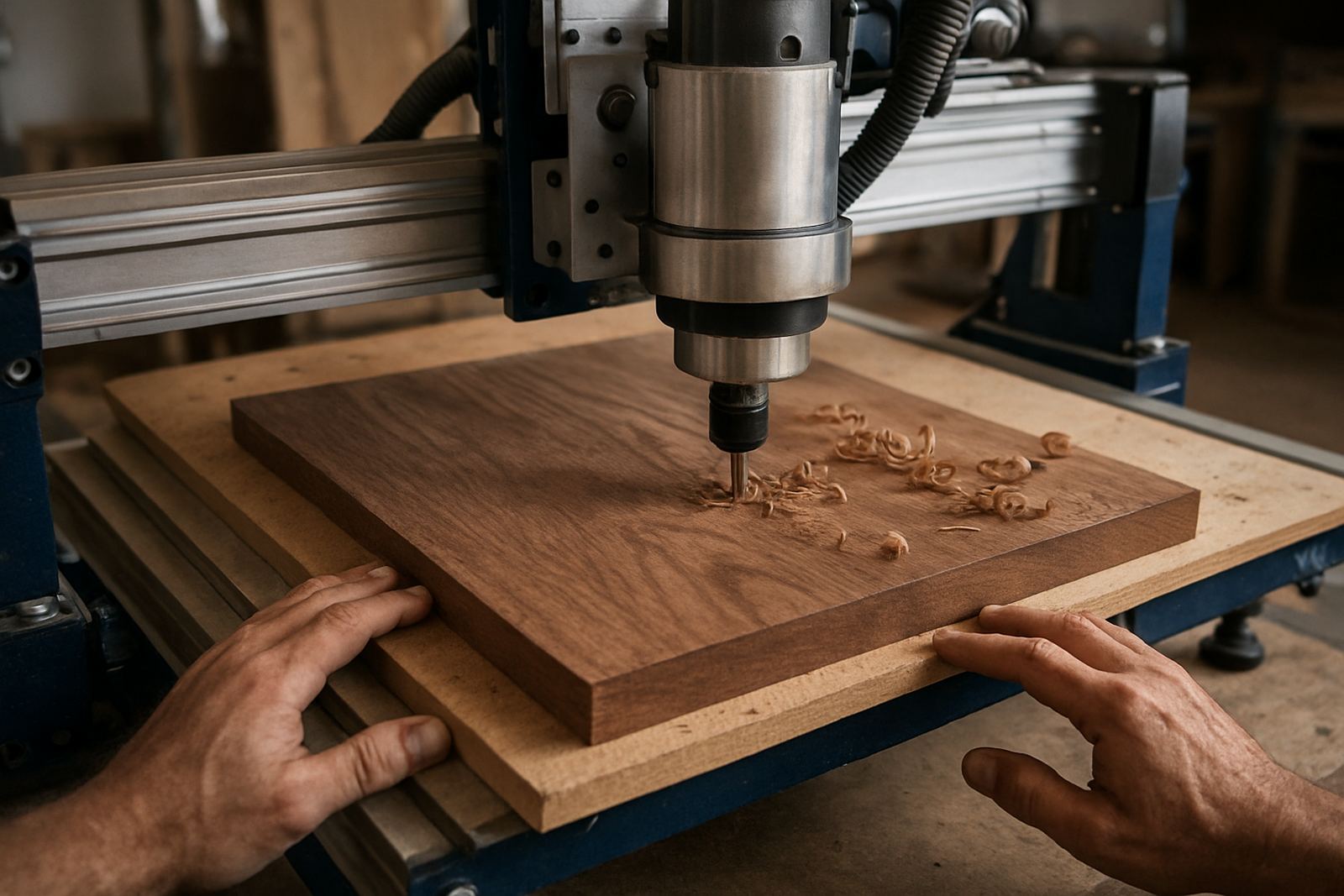
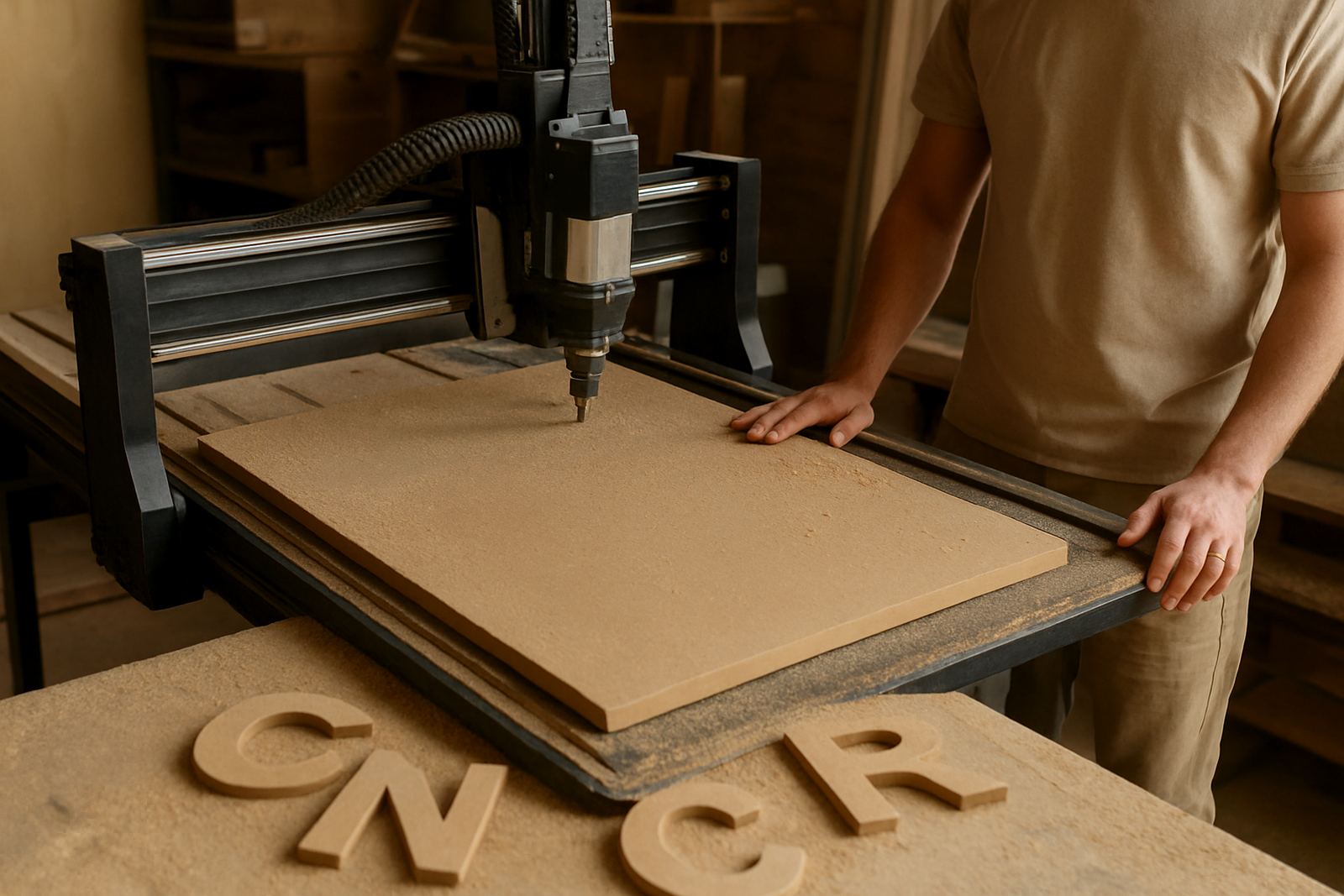
MDF is stable, flat and available in common sheet sizes, which makes it a practical material for repeat parts and nested cutting. In Pretoria and across Gauteng, many shops use it for kitchen doors, display units, speaker boxes, signage blanks and pattern work because it machines evenly when the setup is correct.
For MDF cutting, the biggest advantage of a CNC router table is repeatability. Once the file and zero point are right, the same panel can be cut again with the same hole positions and profile dimensions. That matters when you are fitting cabinet carcasses, matching pairs of doors, or producing a batch for a client who needs all parts to line up on site.
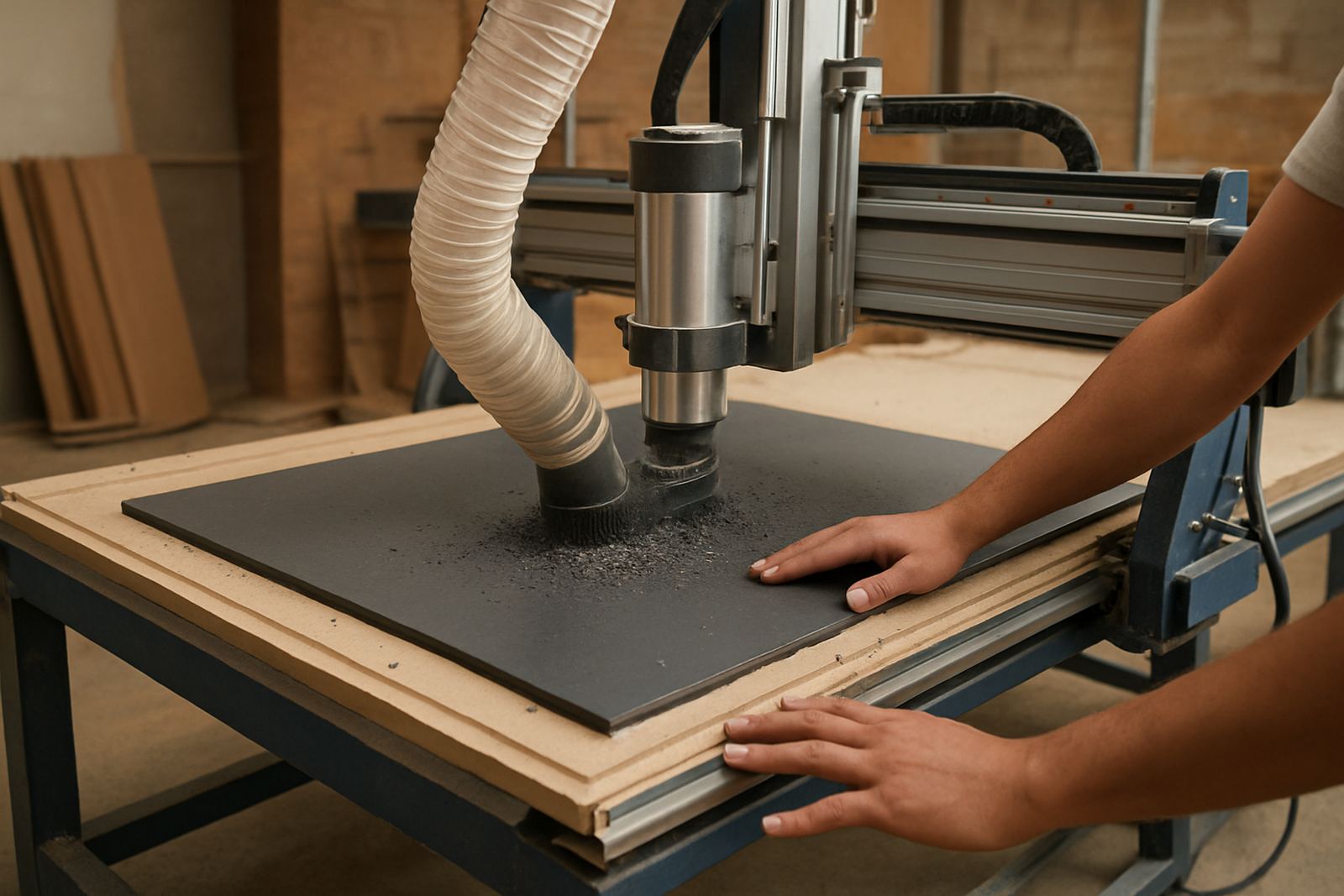
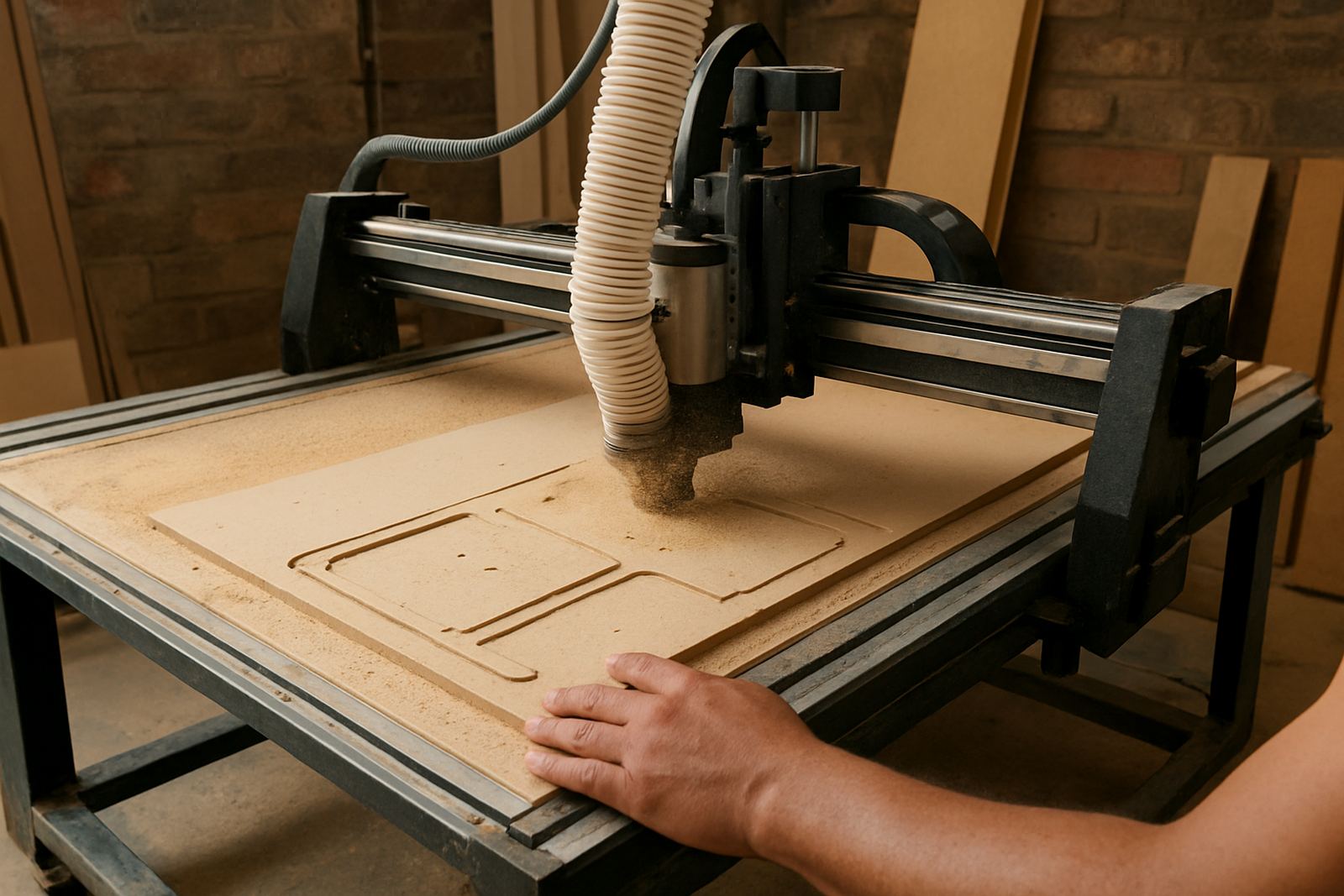
MDF does create fine dust, so extraction is not optional. In a small Silverton workshop, or a site in Centurion with limited ventilation, a proper dust shoe and vacuum system help keep the machine cleaner and the operator safer. Moisture also matters. In coastal areas like Durban or Port Elizabeth, store sheets off the floor and avoid cutting swollen boards if you want reliable edges.
Typical Setup for MDF Panels and Sheet Goods
A sensible MDF setup starts with the right table size for the sheet you plan to cut. Many smaller workshops use a desktop or hobby router for sample work, panels up to about 600 x 900 mm, or smaller production pieces. Larger sheet work needs a bigger bed, especially if you want to nest cabinet sides or full decorative screens from a 1 220 x 2 440 mm sheet.
Most MDF jobs use a combination of vacuum hold-down, spoilboard surfacing and a sharp cutting tool. A spoilboard made from sacrificial MDF lets you cut through cleanly without damaging the machine bed. For thicker boards, a spiral upcut or compression cutter helps reduce edge fuzz, though feed speed and spindle speed still need to be matched to the thickness.
- Vacuum hold-down or strong mechanical clamps for flat boards
- Spare spoilboard material for resurfacing and renewals
- Dust extraction suitable for fine MDF dust
- Sharp cutters in the common sizes used for profiling and pocketing
- Basic measuring tools for setting square and checking thickness
For workshops in Midrand or Kempton Park where turnaround is tight, it helps to keep a small repeat job kit ready. That can include preset cutters, a spare collet, and saved machine settings for 16 mm and 18 mm board stock. It saves time when an order comes in late on a Friday and the machine must be ready for Monday morning.
Planning the Job Before You Press Start
Good MDF cutting starts on paper, not at the machine. You need to confirm sheet thickness, final dimensions, grain direction if the finish will show, and whether the parts need edge banding later. If the drawing does not allow for cutter diameter, parts can come out undersized or the inside corners may be tighter than expected.
When planning nested parts, leave enough waste between components so the sheet stays stable during the cut. Thin bridge tabs can hold parts in place until the job is complete, but they must be placed where they will not spoil visible edges. If you are cutting decorative panels or signage blanks, plan the finishing route as well, because sanding every edge by hand adds labour quickly.
- Check the actual sheet size before loading, some boards are not perfectly square
- Confirm the job origin and tool zero before each run
- Allow space for clamps if you are not using vacuum
- Keep lead-ins and lead-outs away from visible faces
- Plan where each part will be labelled after cutting
Training helps here. A new operator in Pretoria East may know how to load a board, but still miss the difference between a pocket cut and a through cut. That is where software basics and refresher training can save material, especially when a sheet costs more than the labour to cut it.
Common Mistakes That Waste MDF and Time
The most common mistake is using a blunt cutter and expecting a clean finish. MDF is forgiving, but once the tool starts rubbing instead of cutting, edges burn, fluff and need extra sanding. Another common problem is poor dust extraction. Fine dust can build up around the cut line and affect the finish, particularly on long runs.
Operators also forget to check board thickness across the full sheet. A board that reads 16 mm at one end and 16.4 mm at the other can throw off a full cabinet job. Incorrect clamping or poor vacuum seal can let a corner lift, which is enough to spoil a pocket or break a cutter. On smaller hobby routers, pushing too fast is another issue, the machine may not stall but the edges will show chatter marks.
For workshops in Gauteng and North West, load-shedding is another real factor. If power drops mid-job and the machine is not paused properly, a restart can leave tool marks or shift the zero point. A basic shutdown routine, plus control tuning and preventive maintenance, keeps these problems from becoming scrap.
Budget Ranges for MDF Cutting Setups in Rand
Costs depend on the size of machine, the type of hold-down and how much production you need. A hobby setup for small MDF panels and sample work may start from about R45 000 to R90 000, depending on the table size and control package. This suits a one-person workshop doing signs, templates and light cabinet parts.
A more capable small production setup for regular MDF panels, nesting and repeat cabinetry usually sits in the R95 000 to R220 000 range. If you add dust extraction, tooling, a better vacuum system and training, the first full setup can move higher. That is still often less than buying poor equipment and spending months fixing mistakes.
Typical running costs to keep in mind include cutters, collets, spoilboard replacement, extractor bags or filters, and occasional spindle replacement. If the machine is used daily, preventative maintenance is cheaper than breakdown support. It also keeps downtime lower when a client in Centurion needs a batch finished before the weekend.
Support, Training and Spares for MDF Work
At CNC Router Hub in Silverton, Pretoria, the focus is not only on supplying the router table but also on helping you run the machine properly for real workshop work. MDF cutting often looks simple from the outside, but the difference between a clean first pass and wasted material usually comes down to setup, maintenance and operator habit.
We support operators with starter setup visits, software basics, refresher training, remote support and spares planning. If a spindle needs replacement, or the control settings need tuning after a move or power issue, that kind of support keeps the machine earning instead of standing still. Training is available nationwide, while spares planning helps customers in Pretoria East, Midrand, Kempton Park and further afield keep the right parts on hand.
- Operator Training for new users and small teams
- Preventive Maintenance for regular MDF production
- Breakdown Support for urgent faults and stoppages
- Remote Support for software and setting checks
- Spares Coordinator support for consumables and wear parts
If your workshop handles MDF cabinetry, display work or decorative panels, the right CNC router table can make the process more manageable. The key is matching the machine size, cutter choice and dust control to the work you actually do, not the work you hope to do one day.