When HDPE is the right choice for your job
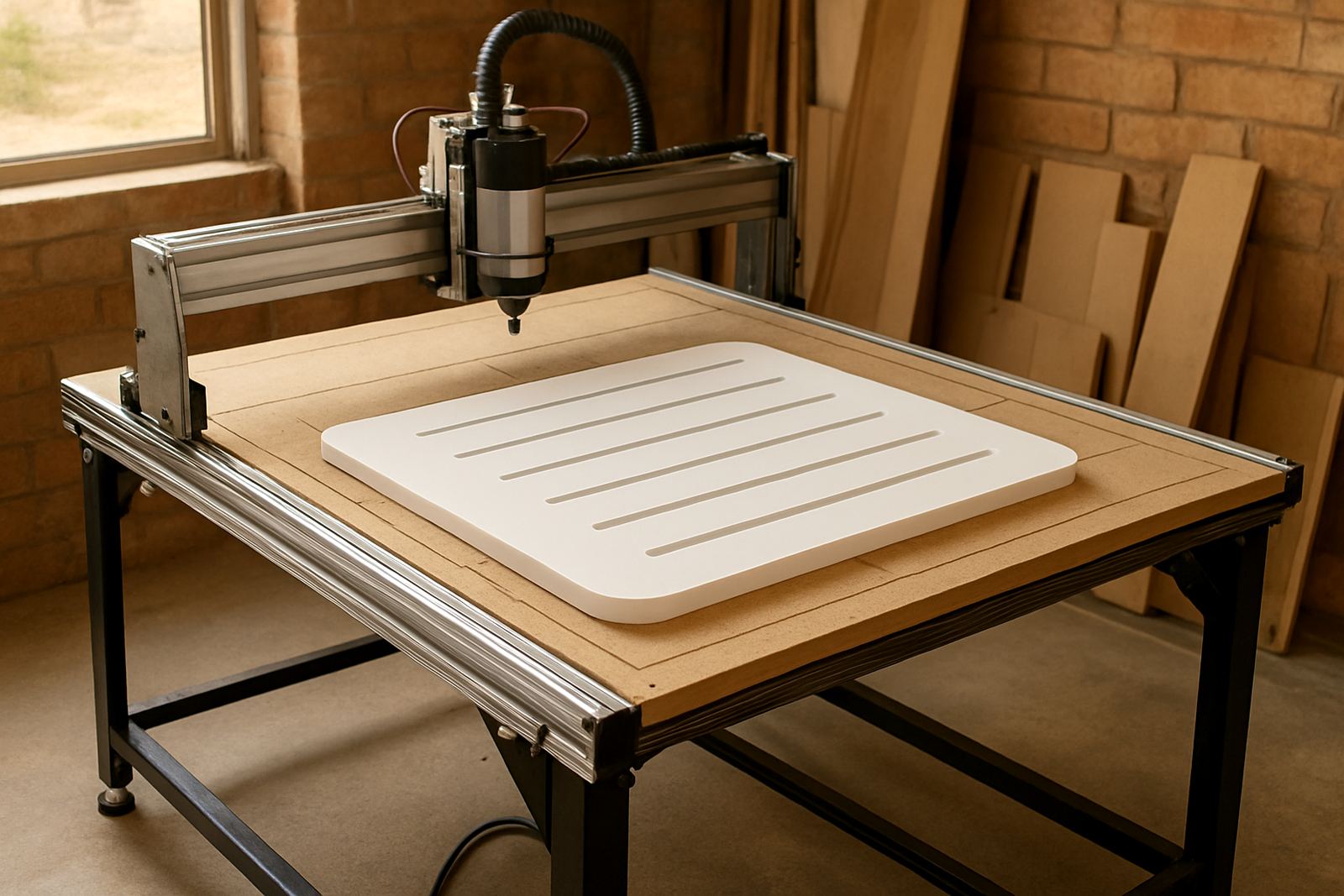
HDPE suits workshops that need parts which slide, resist moisture and clean easily. In Pretoria, Centurion and the rest of Gauteng it is often used for conveyor guides, wear strips, jigs, packaging parts, drip trays, tanks accessories and board stock for food-related handling areas. Coastal clients also like it because humidity does not affect it like timber products.
If you are cutting lots of small parts or replacing items that normally fail in mild steel or MDF, HDPE can save time and maintenance. It machines well on a CNC router, but it does move a bit under heat if the setup is poor. That means tool choice, clamping and spindle speed matter more than many first-time users expect.
- Good for low-friction parts and surfaces that get washed often
- Useful where moisture, dust or light chemicals are part of daily use
- Common in small production runs and repeat orders
Typical CNC router setup for HDPE cutting
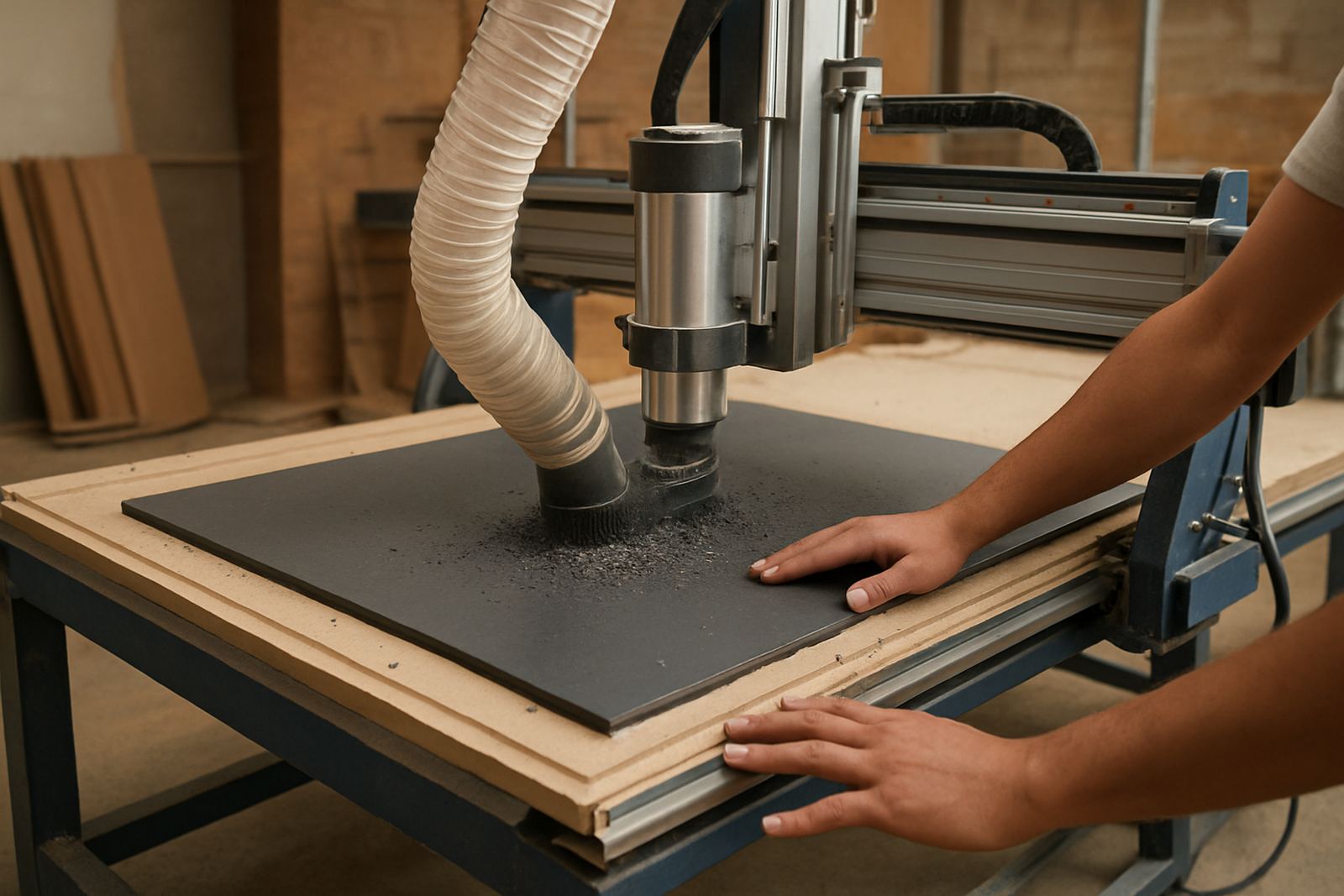
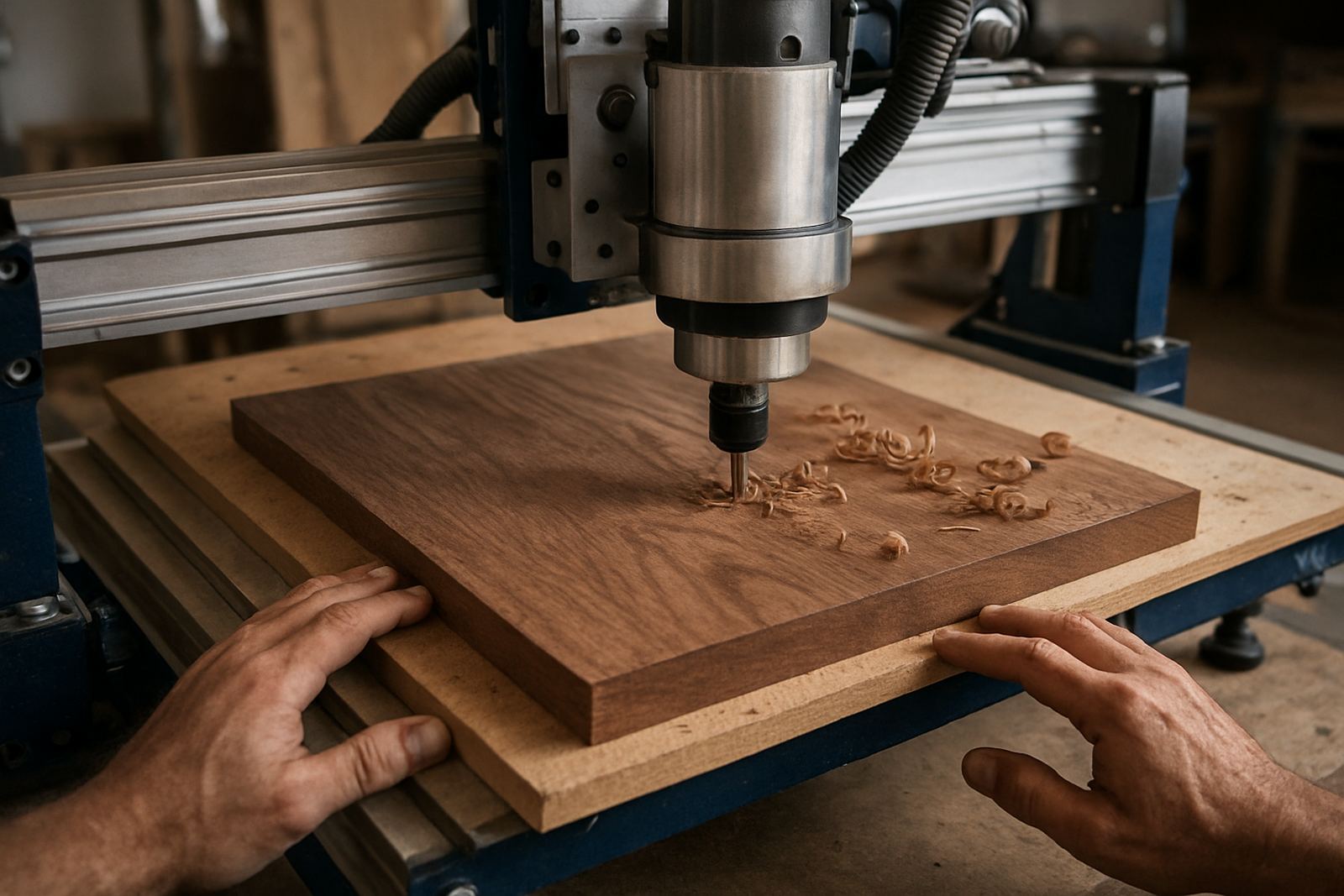
For HDPE, most South African workshops use a desktop or hobby router with a rigid table, a decent spindle and clean dust extraction. A single-flute or two-flute cutter usually gives better chip clearance than a general purpose bit, because HDPE likes to melt if the chip load is too light. On thinner sheets, a vacuum table helps, but many users still prefer mechanical clamps for smaller batches.
A good starter set often includes an adjustable spindle, basic hold-down kit, a few finishing cutters and a spare set of bearings or brushes, depending on the machine. If you are running from a workshop affected by load-shedding, it is worth planning for restart procedures, job notes and power protection so a half-finished part does not end up scrap.
- Rigid machine table with flat spoilboard
- Proper chip extraction or air assist
- Simple fixture plates or edge stops for repeat parts
- Spare cutters, belts and common wear items on hand
Layout and planning for cleaner HDPE parts
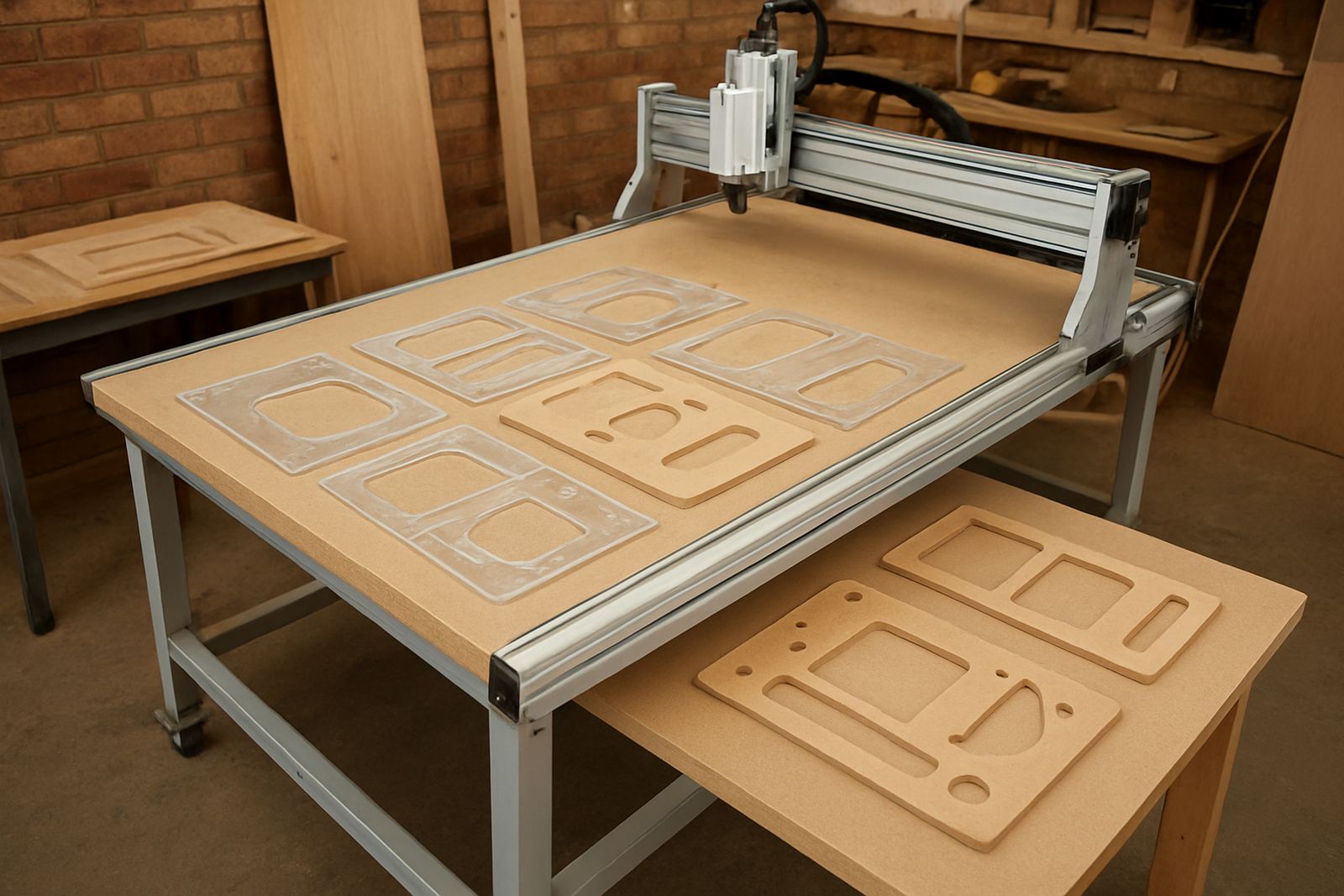
HDPE jobs run better when the cutting layout is planned around clamping and movement, not only material use. Leave room for tabs, keep narrow parts supported and avoid long unsupported overhangs that can chatter. If you are cutting food-safe boards or utility panels, make sure the finished edge is smooth enough for use without extra hand finishing.
At our Silverton base, we usually tell clients to start with one standard sheet size and build around that. Common sheet thicknesses range from 6 mm to 25 mm, and your table size should match the work you do most often. For many small workshops in Pretoria East, a 600 x 900 mm or 1300 x 2500 mm format makes more sense than buying bigger capacity they will not use every week. A neat layout also helps with material yield, which matters when HDPE prices move and waste starts adding up.
- Keep parts spaced to allow tool clearance and tab removal
- Orient long parts to reduce vibration and edge wander
- Plan fixings before you start nesting the sheet
Common mistakes with HDPE and how to avoid them
The biggest mistake is treating HDPE like MDF. It cuts differently, it heats up differently and it needs cleaner chip evacuation. If the cutter rubs instead of cutting, the edge can smear and leave a rough finish that looks fine at first but wears badly in service. Another common issue is using too much spindle speed with too little feed, especially on smaller routers where operators are nervous to push the machine.
We also see jobs fail because the sheet was not properly supported. HDPE can lift slightly during machining, then spring back after the cut and leave a part out of size. Bad zeroing is another one, particularly where operators change materials but do not reset the reference point. A short training session usually sorts this out fast, and refresher training helps when staff changes or the machine has been idle for a while.
- Do not let the cutter dwell in one spot
- Do not rely on weak tape alone for holding down larger parts
- Do not skip test cuts when changing thickness or cutter type
Budget ranges for HDPE machining in rand
For a small workshop, entry-level HDPE capability can start around R45 000 to R85 000 if you already have basic bench space and only need a compact router, starter tooling and setup support. A more capable hobby-to-small-production machine with better spindle control, hold-down options and spares planning often lands between R90 000 and R180 000. If you need training, installation checks and ongoing support, allow a bit more for the first quarter of operation.
Tooling and spares should not be an afterthought. A practical starting budget for cutters, collets, hold-down parts, belts and a few replacement items is usually R3 500 to R12 000 depending on the machine size and how often you expect to run the table. If you are in Kempton Park, Midrand or Centurion and need faster downtime recovery, keeping critical spares on the shelf is cheaper than waiting for a machine to sit idle.
Support that keeps HDPE work moving
HDPE is a good fit for clients who want repeatable parts, sensible material use and a clean workflow. The difference between an easy job and a frustrating one usually comes down to setup, operator habits and planned maintenance. That is why CNC Router Hub offers operator training, software basics, starter setup visits, preventive maintenance, breakdown support, spindle replacement, control tuning, remote support, refresher training and spares planning.
From Silverton, Pretoria, we support workshops across Pretoria East, Centurion, Midrand and around the country through nationwide spares. If you are starting out or trying to improve an existing machine, the aim is simple: fewer mistakes, better edges and less downtime when orders come in quickly.