
When Softwood Routing Makes Sense
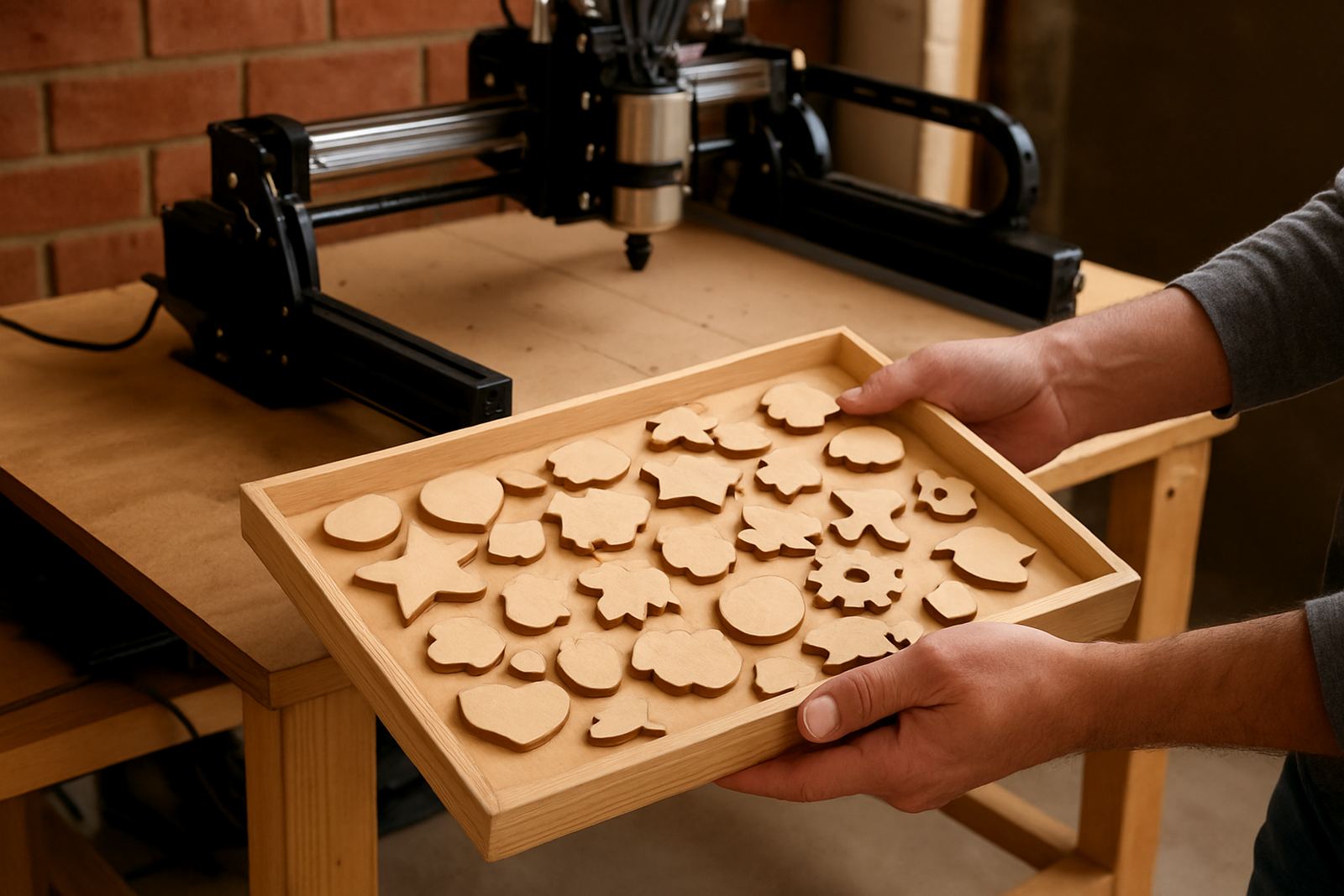
Softwood is a practical choice when a client needs parts turned out quickly and at a sensible cost. Pine, SA pine, meranti and similar materials cut well on a compact CNC router, which makes them useful for shop fittings, small furniture parts, signs, jigs and classroom projects. For many workshops in Silverton, Pretoria East and Centurion, softwood is the material that keeps jobs moving while hardwood and sheet goods stay for higher value work.
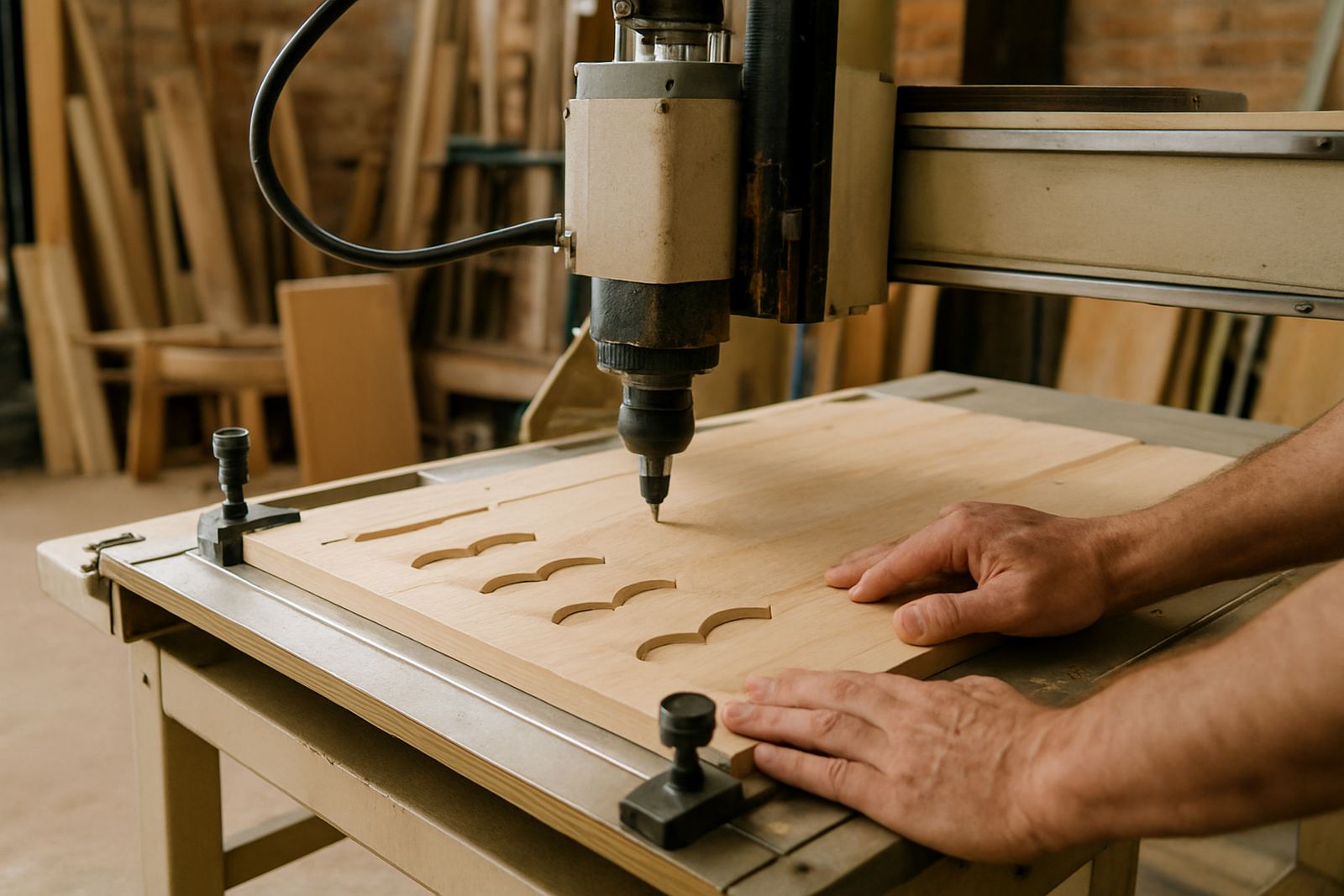
The usual client is a maker, carpenter, sign shop or small production workshop that needs clean repeatable shapes without setting up a large industrial line. Softwood routes faster than many denser materials, but it still needs proper hold-down, correct cutter speeds and a clean spoilboard. If the board lifts or chatters, the finish can go rough very quickly.
Typical Equipment Set for Smaller Workshops
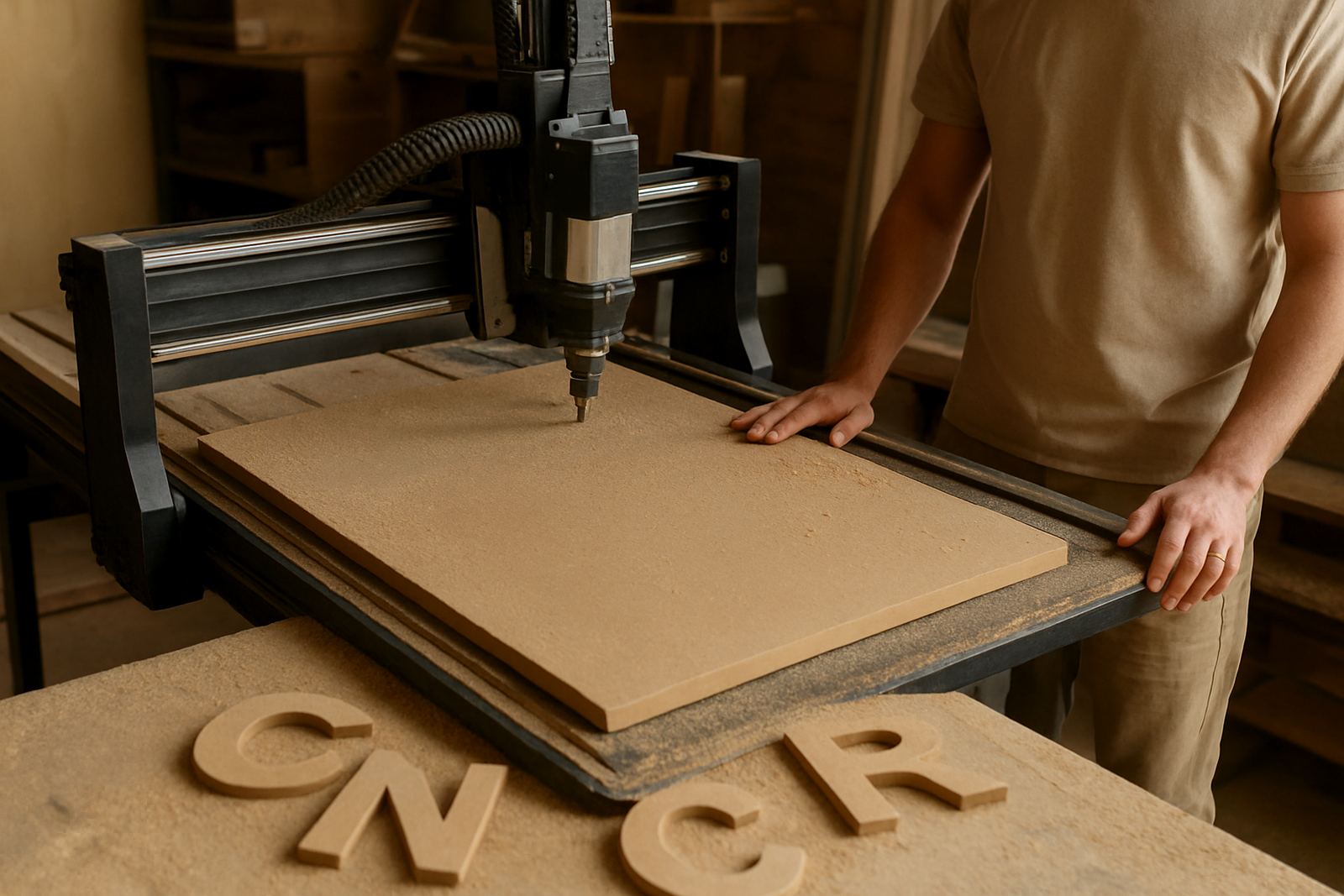
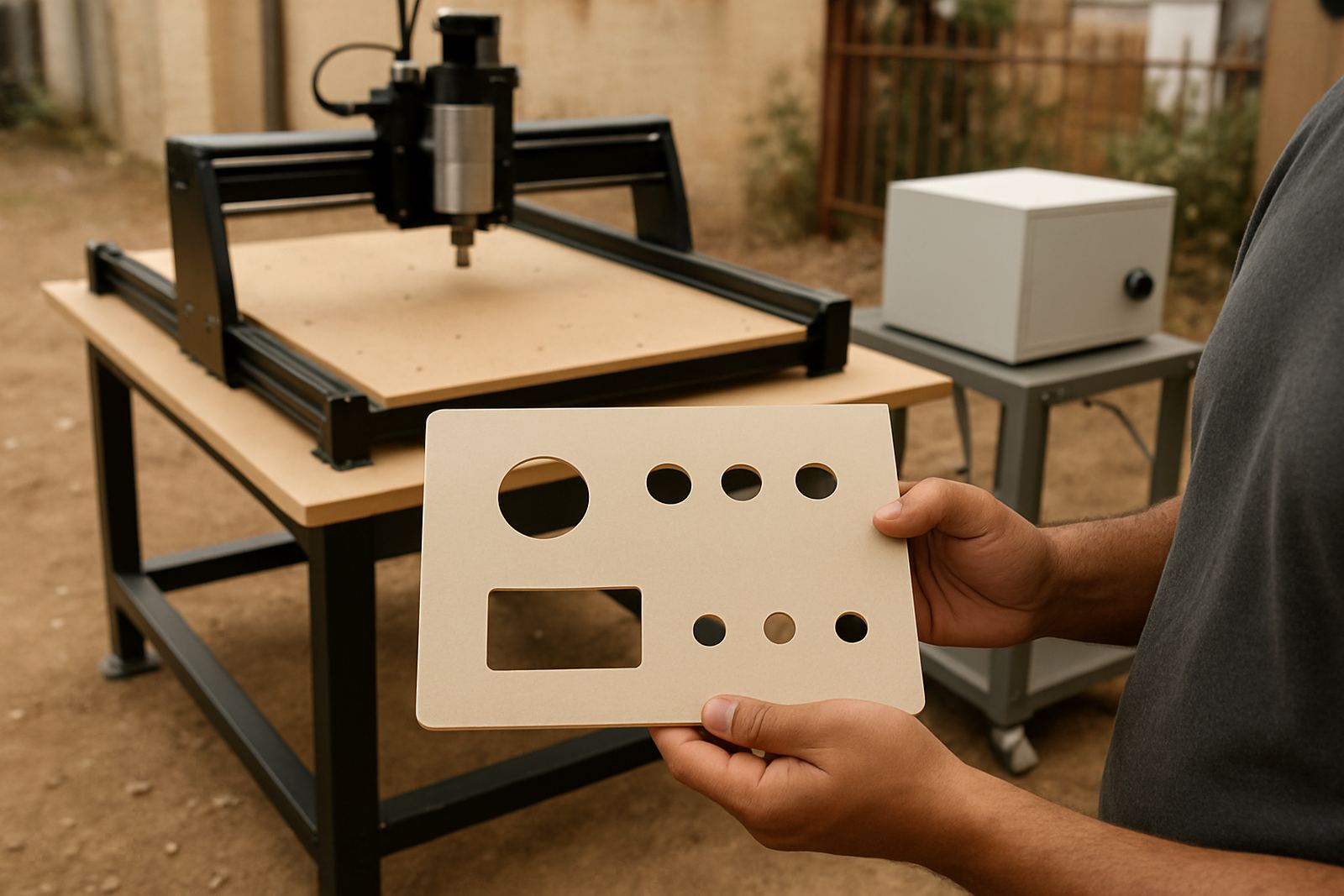
A softwood setup does not need to be complicated. A compact CNC router table with a vacuum or clamp hold-down system, a trim-capable spindle, a basic dust extraction point and a sound control box is enough for most starter jobs. In many cases, a 4th axis is not needed. What matters more is machine travel, table flatness and repeatability from one cut to the next.
- Compact CNC router table with a suitable work area for boards up to 1220 by 2440 mm, or smaller panels for craft work
- Spindle or router motor matched to light timber cutting, with spare collets and cutters kept on hand
- Dust extraction suited to fine wood chips and soft resin dust
- Basic CAD and CAM software for profiles, pockets and engraving
- Clamp set, spoilboard material and simple jigs for repeat runs
For hobby users, a benchtop machine can be enough for plaques and parts under 600 mm square. For production work, a sturdier table with a good gantry and cleaner cable routing reduces downtime. Small machines can do a lot but they still need enough rigidity for long passes and narrow ribs.
Layout and Planning That Saves Material
Softwood looks forgiving until the cutting starts. Then grain direction, knots and board twist show up fast. A sensible layout starts with stock selection and moisture control. In Pretoria, dry winter air and summer humidity can change board movement from one week to the next, so material should be stored flat and off the floor. If a board has a bow, plan the cut around it instead of fighting it.
When setting up a job, leave enough room for loading boards, vacuum lines and a safe operator walkway. A tight workshop in Midrand or Kempton Park often loses more time to bad movement around the machine than to the cutting itself. Good planning also means placing the controller, tools and offcut bin where the operator can reach them without crossing the cutting area.
- Keep boards acclimatised in the workshop for 24 to 48 hours before machining
- Use a fresh spoilboard and skim it when flatness drops off
- Check grain direction for tear-out on profiles and raised lettering
- Programme toolpaths to reduce sudden direction changes on thin sections
- Allow extra time for test cuts when using a new timber batch
Common Mistakes That Waste Good Timber
The most common mistake is running softwood at the wrong feed and spindle speed. Too slow and the cutter burns, too fast and it tears fibres or snaps small details. Another common issue is poor hold-down. A light board can shift with surprisingly little force, especially on long slot cuts. Some users also forget that softwood can contain resin pockets and hidden knots that change the cut sound and quality.
Another problem is trying to do too much in one pass. A clean shallow cut is often better than a deep aggressive one, particularly on small hobby machines. In workshops that lose power during load-shedding, a sudden stop mid-job can leave the tool in the cut and the board ruined. A clear restart process and proper pause routine are worth planning before a customer piece goes onto the table.
Dust extraction is also important. Softwood chips are lighter than many hardwood shavings, so they can float into guides, rails and electronics if the extraction is weak. That leads to extra maintenance and poor finish over time, which is expensive for any small shop.
Training, Setup Visits and Support
Many softwood users need more than the machine itself. They need a practical setup, a few reliable cutter choices and enough training to get from drawing to finished part. That is where operator training, software basics and starter setup visits help. A workshop in Silverton may want hands-on help with machine levelling and control tuning, while a customer in Polokwane or George may need remote support and spares planning after the first run.
Training usually covers safe loading, zeroing, file setup, cutter selection and basic troubleshooting. Refresher training is useful when staff change or the workshop starts cutting a new product line. Preventive maintenance also matters because a machine that only cuts softwood can still lose accuracy if belts loosen, bearings wear or dust builds up in the guides.
- Operator Training for first-time users and small teams
- Software Basics for simple sign, panel and part work
- Starter Setup Visit for alignment, first cuts and workflow checks
- Preventive Maintenance and Breakdown Support when things go off track
- Remote Support for customers outside Pretoria
Budget Ranges for Softwood Routing in Rand
Budgets vary depending on table size, spindle power and how much support the workshop wants at the start. A small hobby machine for plaques, gifts and light joinery parts can start around R35,000 to R70,000. A more capable entry production setup with stronger motion components, better dust handling and more stable control gear may sit between R80,000 and R180,000.
For workshops that want better speed, larger working area and less downtime, a heavier setup can move from R180,000 to R350,000 or more. That figure can rise if you add vacuum hold-down, extra tooling, a dust extractor, spare collets and on-site training. The lowest purchase price is not always the cheapest option once you count wasted timber, operator errors and lost cutting time.
A sensible spares plan also protects the budget. Keeping spare cutters, belts, collets and a few control items on hand usually costs far less than an unexpected stop on a Thursday afternoon when a client is waiting.
What a Good Softwood Workflow Looks Like
A good workflow is simple enough for a small team to repeat. The board arrives, gets checked for moisture and warp, the toolpath is prepared, then the machine runs with dust extraction on and a clear sign-off at the end. After cutting, edges are cleaned, parts are checked against the drawing and offcuts are sorted for smaller jobs. This keeps the workshop orderly and reduces waste.
For customers in Pretoria, Centurion, Midrand and beyond, softwood routing works best when the machine, training and spares all support one another. That way the workshop can take on prototypes, joinery components and craft products without stopping every time a cutter dulls or a setting is forgotten.
With the right plan, softwood is one of the easiest materials to turn into saleable work, but only if the machine setup is treated properly from day one.