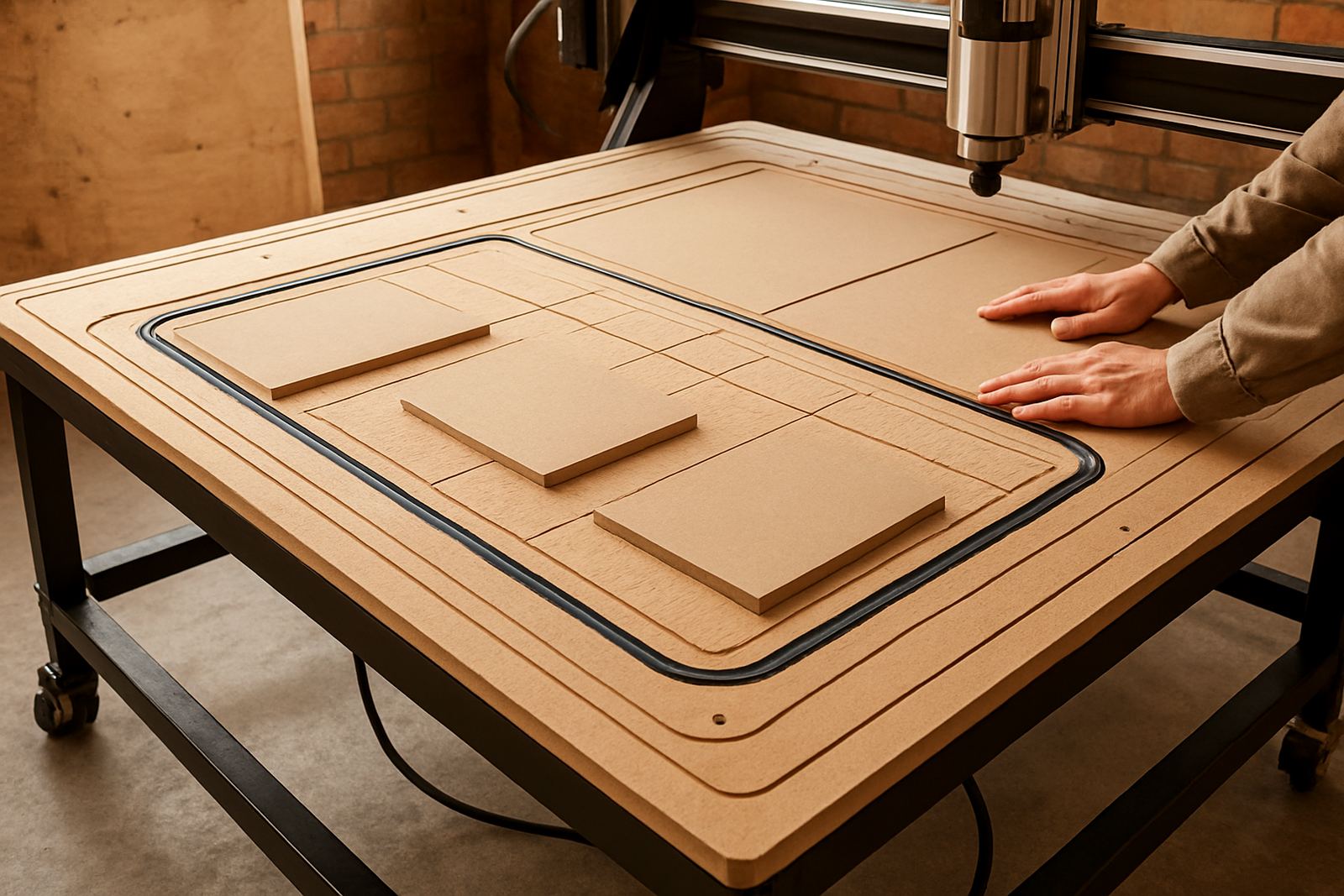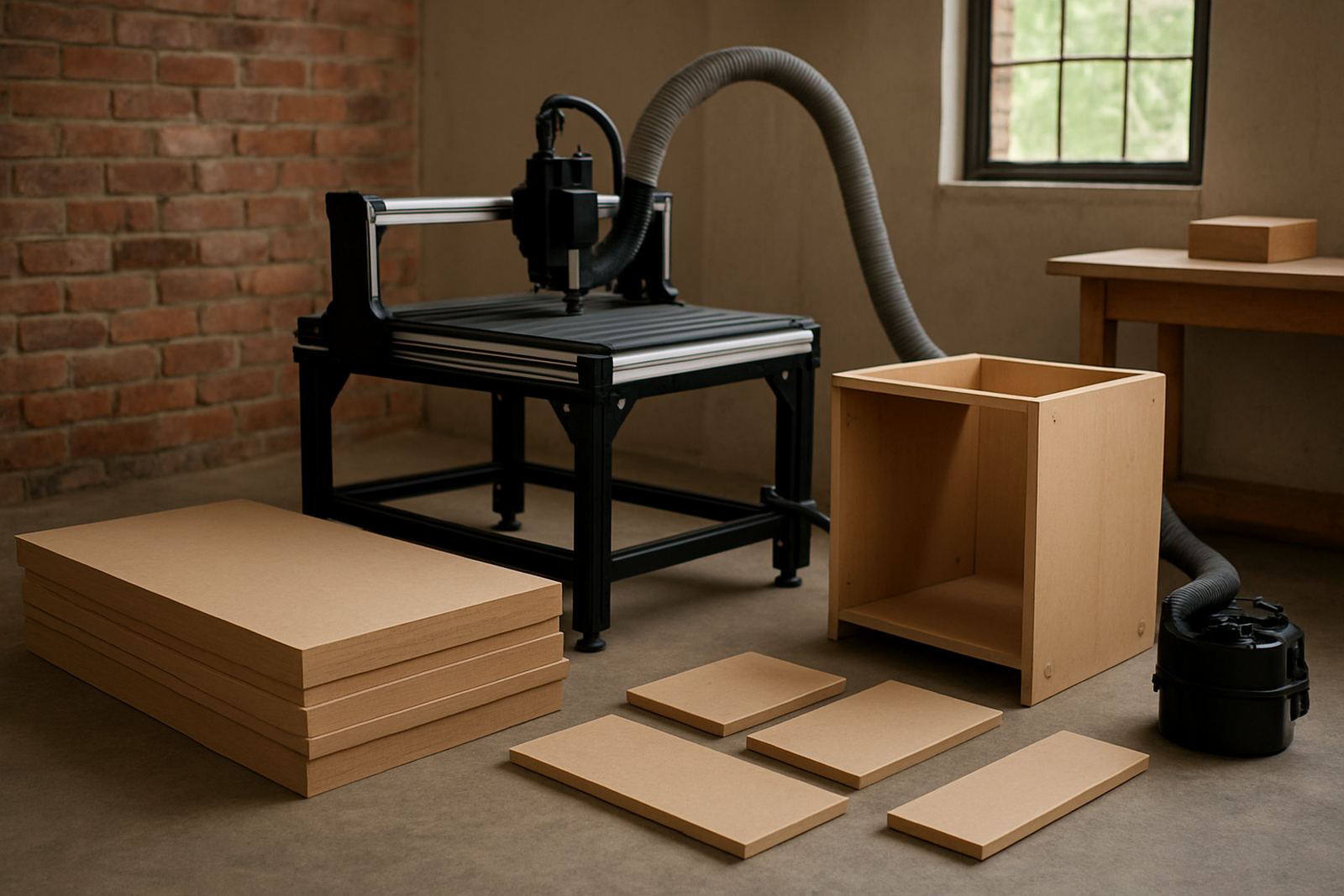

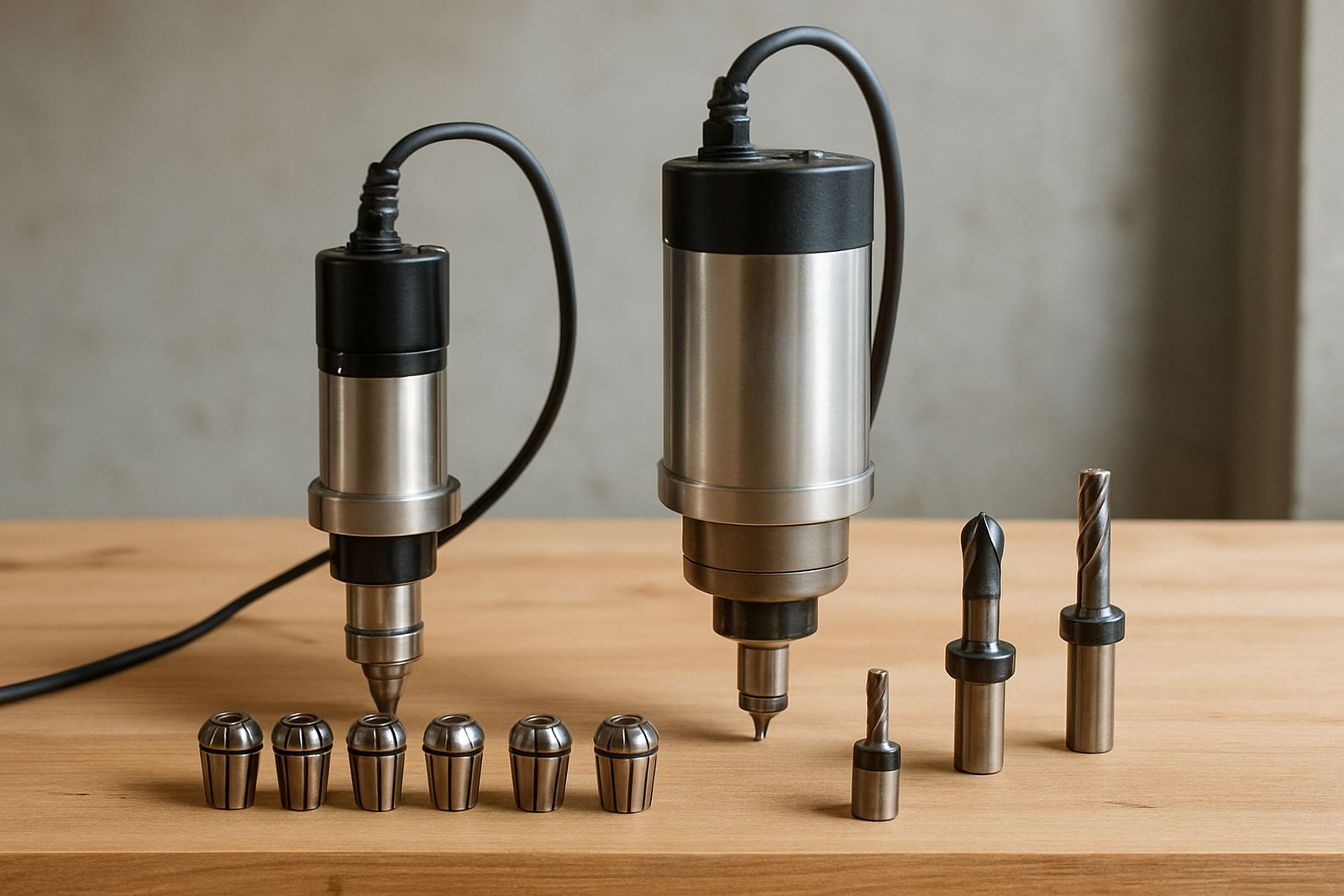
Start With The Job, Not The Spec Sheet
The first step is to match the spindle to the work you do most often. A hobby router that cuts small signs in MDF once or twice a week has very different needs to a small shop cutting cabinet parts, acrylic panels or clamping fixtures every day. If you buy too small, the machine will sound strained and the finish will suffer. If you buy too large, you can end up paying for power and weight you do not need.
For woodworking and MDF, look at the cutter diameter, the depth of cut and the material thickness. Plastics often need cleaner chip evacuation and controlled heat. If you are doing mixed work, choose a spindle that can handle a sensible range without pushing it to the limit. A practical rule is to size for your busiest job, not your lightest one.
- List the main materials you cut each week.
- Check the thickest board or sheet you normally process.
- Note the cutter sizes you use most often.
- Decide whether finish quality or cutting speed matters more.
Match Power To Cutter Size And Feed Rate
Spindle power is not just about raw strength. It needs to suit the cutter diameter, the feed rate and how much material the machine removes in one pass. Small cutters in MDF can often work well with modest power, while larger cutters need more torque to avoid chatter and burning. When a spindle is undersized, you usually hear it first, then see it in the edge finish.
For hobby use and lighter work, a compact spindle may be enough. For longer runs, thicker boards or larger panel parts, a stronger unit gives more headroom. In Pretoria, Centurion and Midrand we often see users moving up a size after they start running production orders instead of weekend projects. That change is usually driven by run time, not just horsepower.
- Use smaller cutters for detail work and lighter machines.
- Move up in power if you hear the spindle working hard.
- Allow extra capacity if you plan to cut thicker material later.
- Check that the machine frame and controller can support the spindle weight.
Duty Cycle Matters More Than Most Buyers Expect
Duty cycle is the amount of time a spindle can run without trouble under normal conditions. A unit that is fine for short sessions may not be suitable for a workshop that runs several hours a day. If you use the machine for nested cutting, batch lettering or repeated pocketing, the spindle needs to cope with heat build-up and dust exposure.
Ask how many hours a day the machine will actually run, then add some margin. Also think about local conditions. Coastal humidity can affect storage and connectors, while dusty workshops in the Highveld need better cleaning routines. During load-shedding, repeated stops and restarts can also expose weak connections or poor tuning, so a reliable control setup is just as important as the spindle itself.
Checklist before you choose:
- Average daily run time
- Longest expected cutting session
- Work area dust control
- Ventilation around the machine
- Backup power or shutdown procedure during outages
Think About Finish Quality And Noise
If you care about a clean edge straight off the table, spindle choice becomes more important. A stable spindle with the right speed range helps reduce burn marks in MDF and chatter on plastics. The finish is influenced by cutter sharpness, feed speed and spindle speed, but the spindle must hold speed consistently under load.
Noise also matters, especially in smaller workshops attached to homes or shared buildings. Some users in Pretoria East and Silverton want a setup that is practical for daily use without upsetting neighbours or staff. A quieter machine can make training easier as well, because operators hear changes in sound before a problem becomes a fault.
- Choose a spindle with smooth speed control for mixed materials.
- Use the correct cutter for the material, not just the cheapest one.
- Listen for chatter, squeal or an uneven note under load.
- Check that dust extraction keeps chips clear of the cut path.
Check Collets, Maintenance And Spare Parts Access
A spindle is only useful if you can maintain it properly. Before buying, check what collet sizes it uses, how easy it is to replace wear parts and whether the cooling method suits your workshop. Air-cooled units are common where water handling is not practical. Water-cooled units can run quietly, but they need proper plumbing, clean water and regular checks.
Look at the whole support picture too. If a bearing, connector or mount needs attention, can you get the part without waiting weeks? For users in Kempton Park, Midrand or further afield, nationwide spares planning can save a lot of downtime. A good supplier should help you match spares to the spindle before a problem starts, not after.
- Confirm collet sizes and cutter compatibility.
- Ask what routine service is needed and how often.
- Keep spare collets, cables and basic fittings on hand.
- Store replacement parts in a dry, clean place.
Use This Selection Checklist Before You Buy
If you want a simple way to narrow the options, start with this checklist. It keeps the decision practical and helps avoid overspending on the wrong unit. It also makes training and setup easier because the spindle choice is tied to the machine, material and operator skill level from the start.
Before you confirm the order, answer these points:
- What materials will you cut most often?
- How many hours per day will the spindle run?
- What cutter sizes do you use most?
- Do you need low noise, high speed or higher torque?
- Will the workshop handle dust, heat and power interruptions?
- Can you access spares and support quickly in South Africa?
If you are unsure, a site visit, starter setup or refresher training can help you choose the right spindle for the job and the operator skill level. That is often the difference between a machine that works well and one that keeps needing attention.
When To Ask For A Technical Review
Some jobs are straightforward, but others need a technical look before you buy. If you are cutting dense hardwoods, running long production batches or changing between MDF and plastic on the same machine, get the spindle choice checked with the machine spec and controller setup in mind. A small mismatch can show up later as poor finish, failed bearings or unnecessary downtime.
For workshops in Silverton, Pretoria East and Nationwide, support by phone or remote session can help confirm the spindle size, cooling method and control settings before installation. That saves time and keeps the machine working within its proper range.