
Start With What You Need To Make
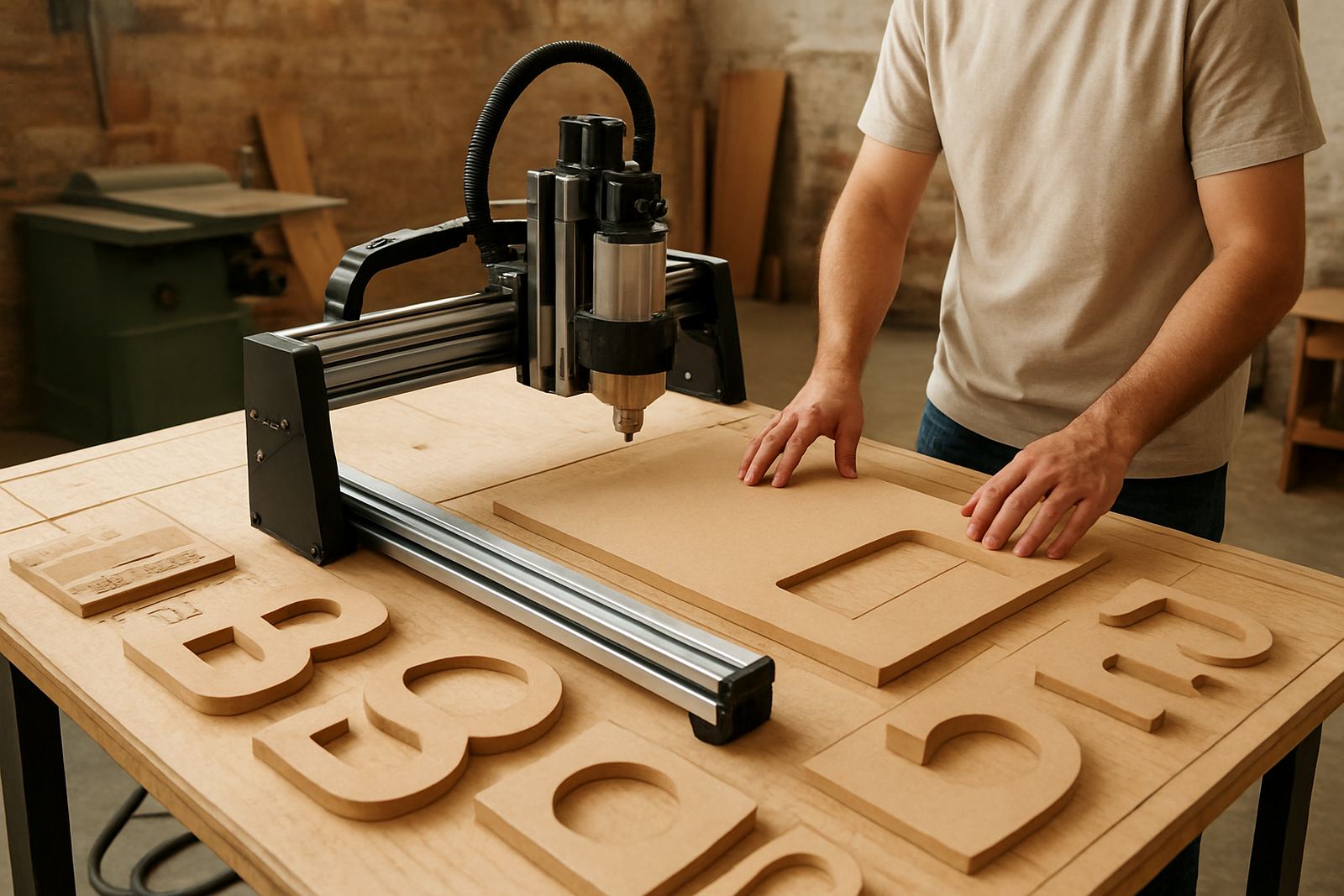
Before comparing machines, write down what you want to cut most often. Thin signs, small parts, name plates and sample pieces suit a very compact router, while cabinet components, repeated production runs and wider sheets call for a larger hobby unit. If you plan to work mainly in MDF, pine, plywood and plastics, both categories can do the job, but the size of the bed and the stiffness of the frame change how far you can push the machine.
A good way to narrow it down is to match the machine to your weekly output. If you are making one-off items or small batches, a compact model keeps costs down and takes up less floor space. If you expect regular cutting and want room to grow, the extra travel and stronger structure of a hobby router gives more headroom. In our Silverton, Pretoria base we often see buyers under-estimate part sizes then struggle later, so measure the largest sheet or blank you use now and add a bit for clamps and hold-downs.
- List your main material: MDF, plywood, acrylic, perspex, PVC or soft timber.
- Measure the biggest sheet or blank you need to cut.
- Check if your work is single items, short runs or repeat batches.
- Note your available floor space, door width and access for delivery.
Very Compact Desktop Routers: Where They Fit Best
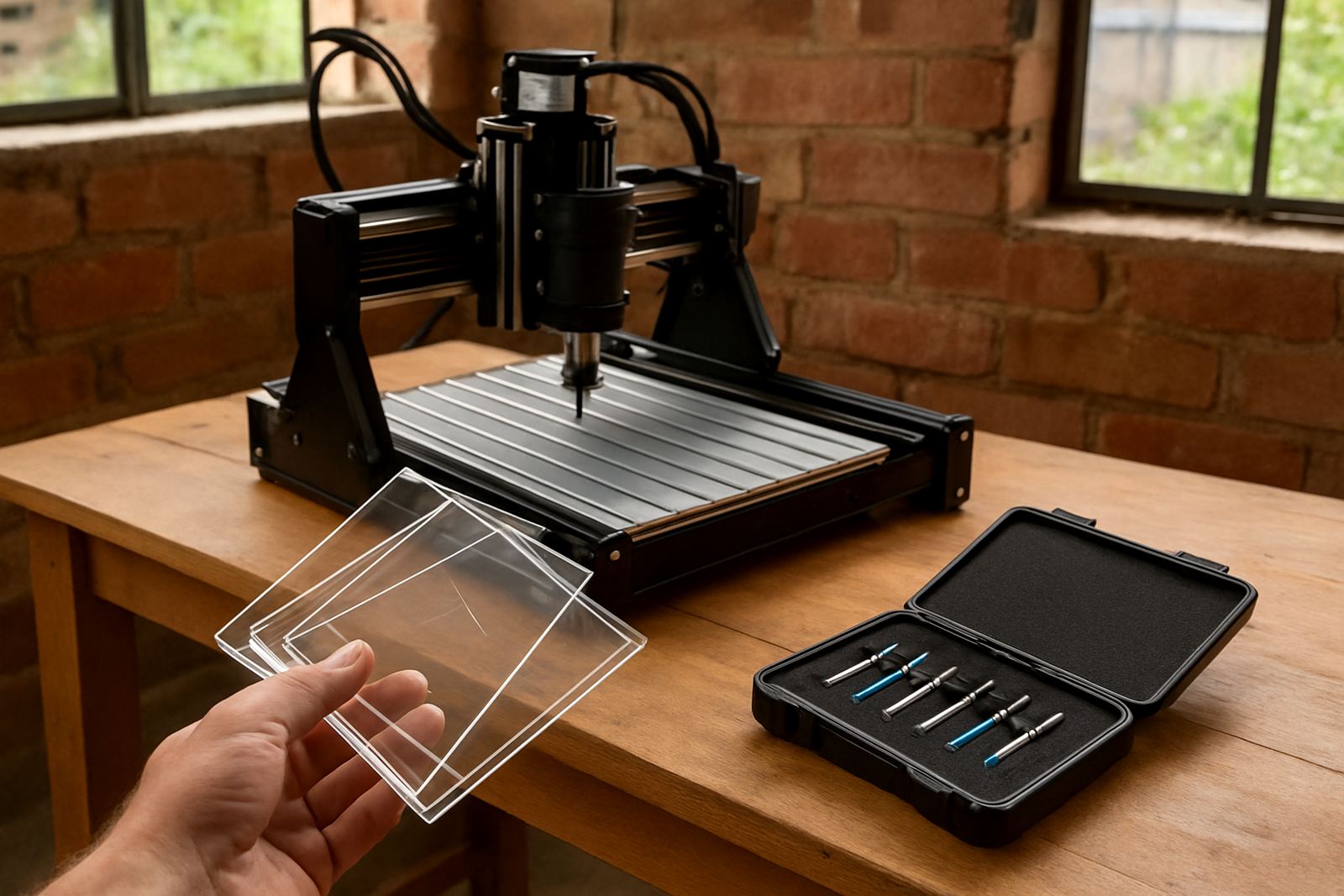
Very compact desktop routers are ideal for smaller workshops, hobby rooms and makers who need a machine that can sit on a sturdy table. They are usually easier to move, cheaper to run and simpler to power, which helps in places where load-shedding means you may need to plan around shorter cutting sessions. For light woodworking, MDF panels, plaques and plastic parts they can produce neat results if you keep feeds sensible and your tooling sharp.
These machines are best when precision matters more than sheer size. They suit learning the basics of G-code, work offsets, zeroing and tool changes without needing a large investment. On the other hand, they do have limits. Smaller gantries and lighter frames can flex if you push too hard, and the working area can feel tight once you add clamps, dust extraction and a spoilboard. In humid coastal areas, and even in dusty inland workshops, keeping the machine clean and covered between jobs helps protect rails, lead screws and control boxes.
- Best for small signs, labels, inserts and prototype parts.
- Lower space requirement and easier to store when not in use.
- More suited to light cuts and shorter work cycles.
- May need careful setup to avoid chatter and finish marks.
Larger Hobby Units: More Room For Output And Growth
Larger hobby routers suit users who want more cutting area, better repeatability and the option to take on bigger jobs. They are a practical middle ground for small production shops in Pretoria East, Centurion, Midrand and Kempton Park where customers often need full sheet work or several parts cut in one run. With more travel on the X and Y axes, you can nest parts more efficiently and reduce changeovers.
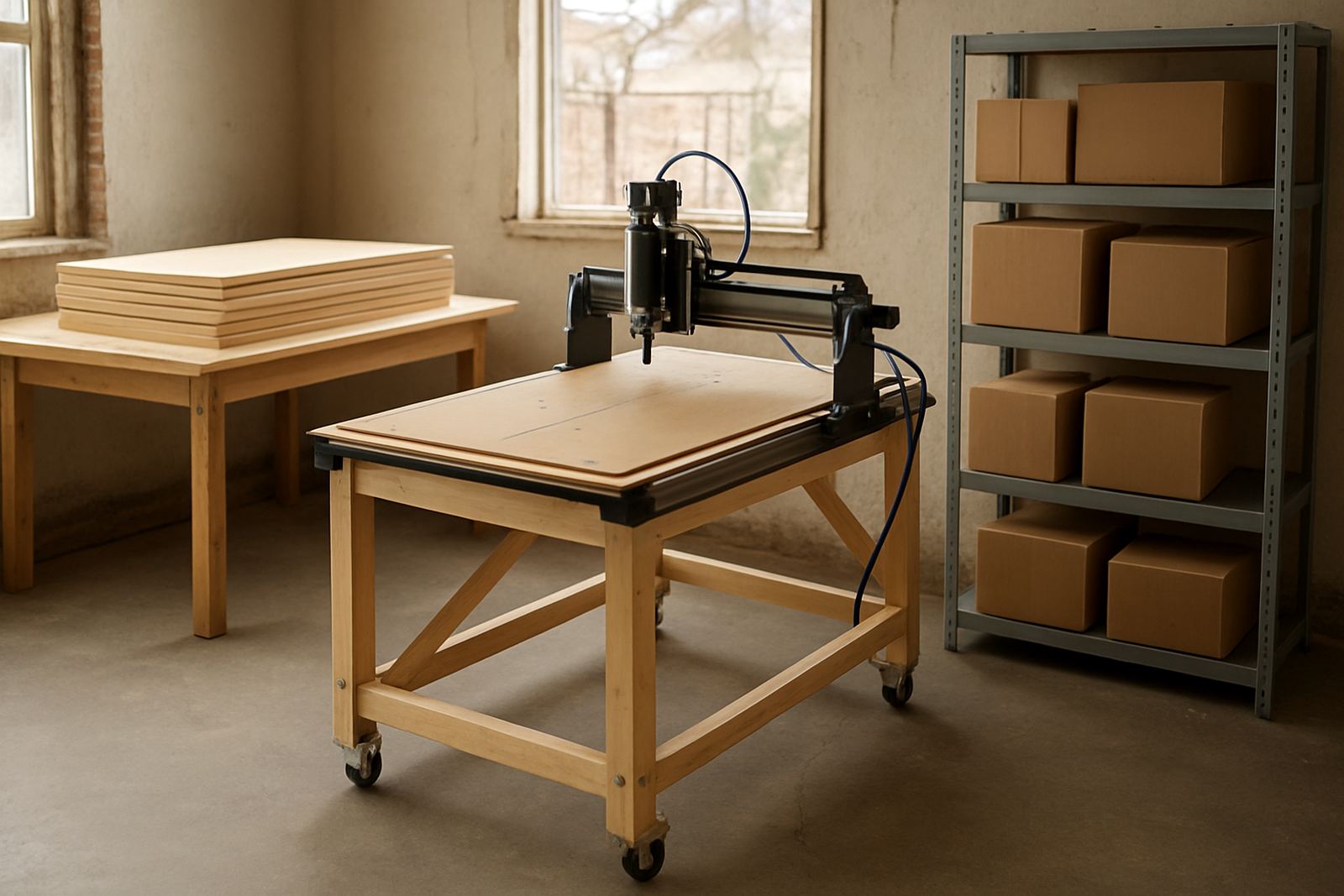
The extra size usually brings better rigidity too, which matters when cutting thicker MDF, multiple passes in timber or routing longer plastics sheets. A stronger frame can also handle upgrades more comfortably, such as a different spindle, improved control components or more effective dust extraction. If you are planning to add production later, this is often the safer choice. Just remember that bigger machines need proper benching, enough electrical capacity and a workshop layout that allows you to load sheets safely.
- Better for nested parts, wider panels and repeat production.
- More stable when cutting at higher speeds or deeper passes.
- Usually easier to upgrade with improved spindles and controls.
- Needs more space for loading, clamping and operator movement.
Compare Output, Material And Power Before You Buy
Do not compare the machines only by bed size. Output depends on the material, spindle power, toolpath strategy and how often you can run the machine. A compact router can outperform a bigger unit on small precision work if the user is well trained and the setup is right. Likewise, a larger hobby machine can waste time if it is oversized for the work and takes too long to set up for every job.
Think through the practical bits in advance. Can your workshop handle the dust? Do you have stable power, or will you need to plan around outages and a backup solution? Are you cutting mostly sheet goods or solid material? Do you need to move the machine later, or will it stay in one place? These questions matter because a machine that seems affordable can become costly if it is the wrong fit. A clear plan saves money and avoids frustration.
Use this quick check before deciding:
- Material thickness and hardness
- Largest part size and cutting area needed
- Daily or weekly job volume
- Available power and backup plan during load-shedding
- Dust control and workshop ventilation
- Room for maintenance access and safe loading
Upgrade Potential Matters More Than Most Buyers Expect
A small machine is not only a starter tool, it is also a platform. If you expect to improve your workflow over time, check what can be upgraded later. Useful upgrades include stronger spindle options, better control tuning, improved limit switches, cleaner cable management and better dust collection. On some machines, parts can be added gradually instead of replacing the whole unit.
Ask how easy it is to get spares and support for the machine you choose. A router that sits idle because one small part is unavailable is poor value. That is why spares planning and preventive maintenance should be part of the buying decision from the start. For workshops in Silverton and across the country, having access to the right belts, bearings, control parts and tooling can mean the difference between same-day work and a missed deadline. If you want to grow later, make sure the machine gives you that option without forcing a full replacement.
A Simple Decision Path For First-Time Buyers
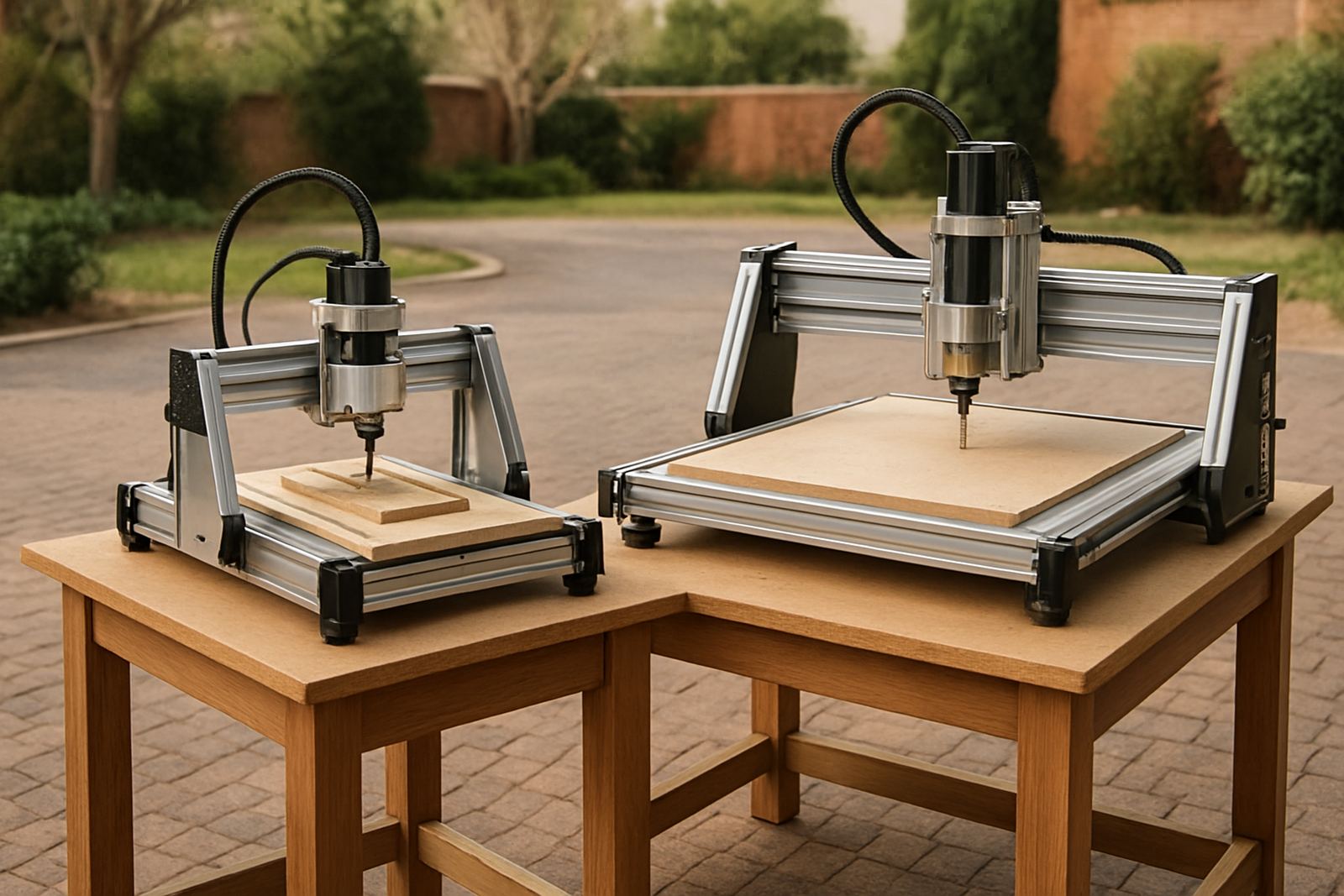
If you are unsure, use a step-by-step approach. Start with your largest regular job, then choose the machine that handles it comfortably, not just barely. A compact router is the sensible choice when space, budget and occasional use are the main limits. A larger hobby unit makes more sense when you want steadier output, fewer setup changes and room to expand into small production.
At CNC Router Hub we help customers compare machine size, software basics, operator training and support options before they buy. That matters whether you are in Pretoria, Centurion, Midrand or further afield. A short starter setup visit, refresher training or remote support can make the first weeks smoother and reduce mistakes. If you are comparing desktop and hobby machines, the best result is not the biggest one, it is the one you can run confidently every week.
- Choose compact if you have limited space, lighter work and lower volume.
- Choose hobby size if you need more cutting area and future growth.
- Choose support and training if you are new to CNC or changing machine sizes.