
Start with the work you will cut first
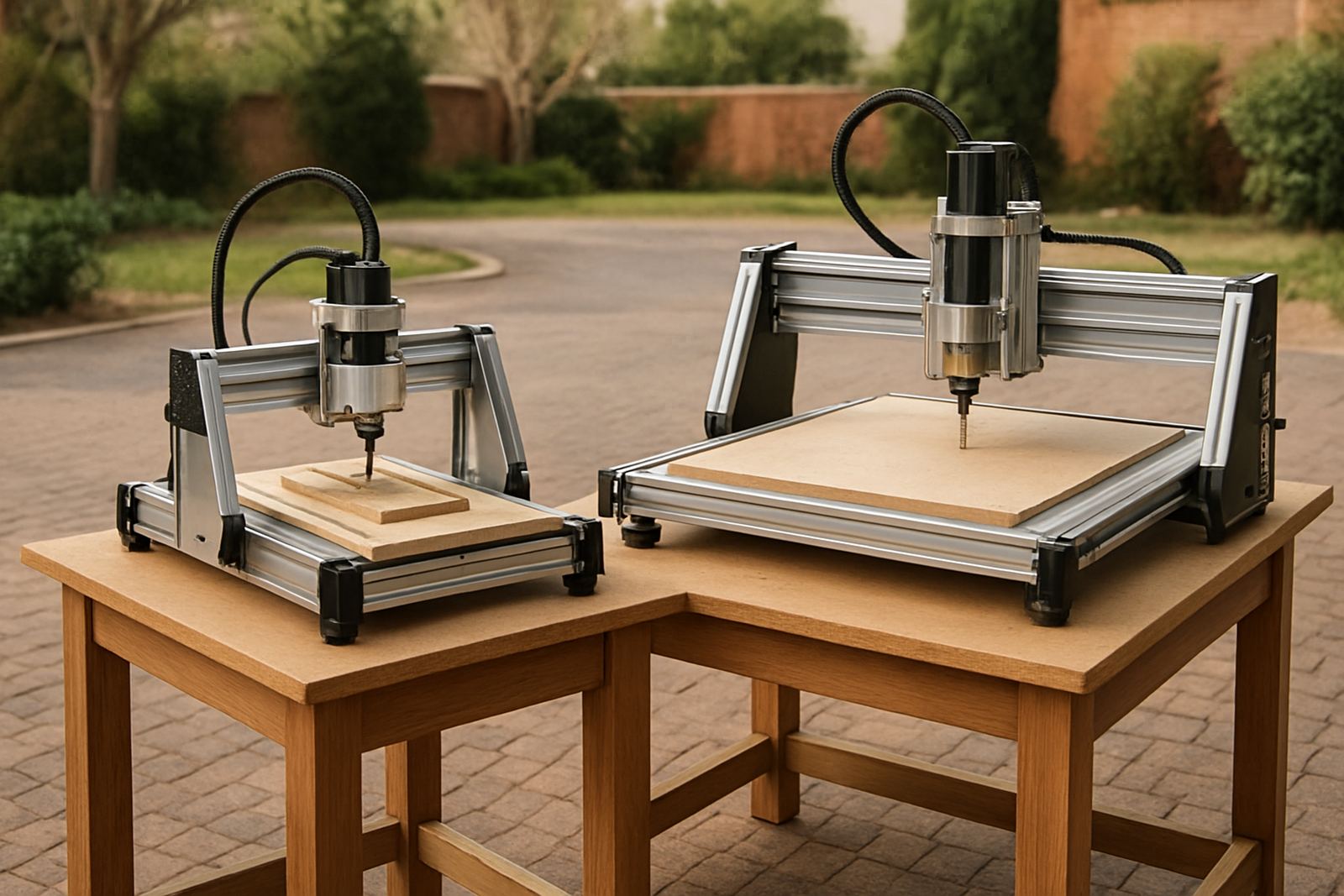
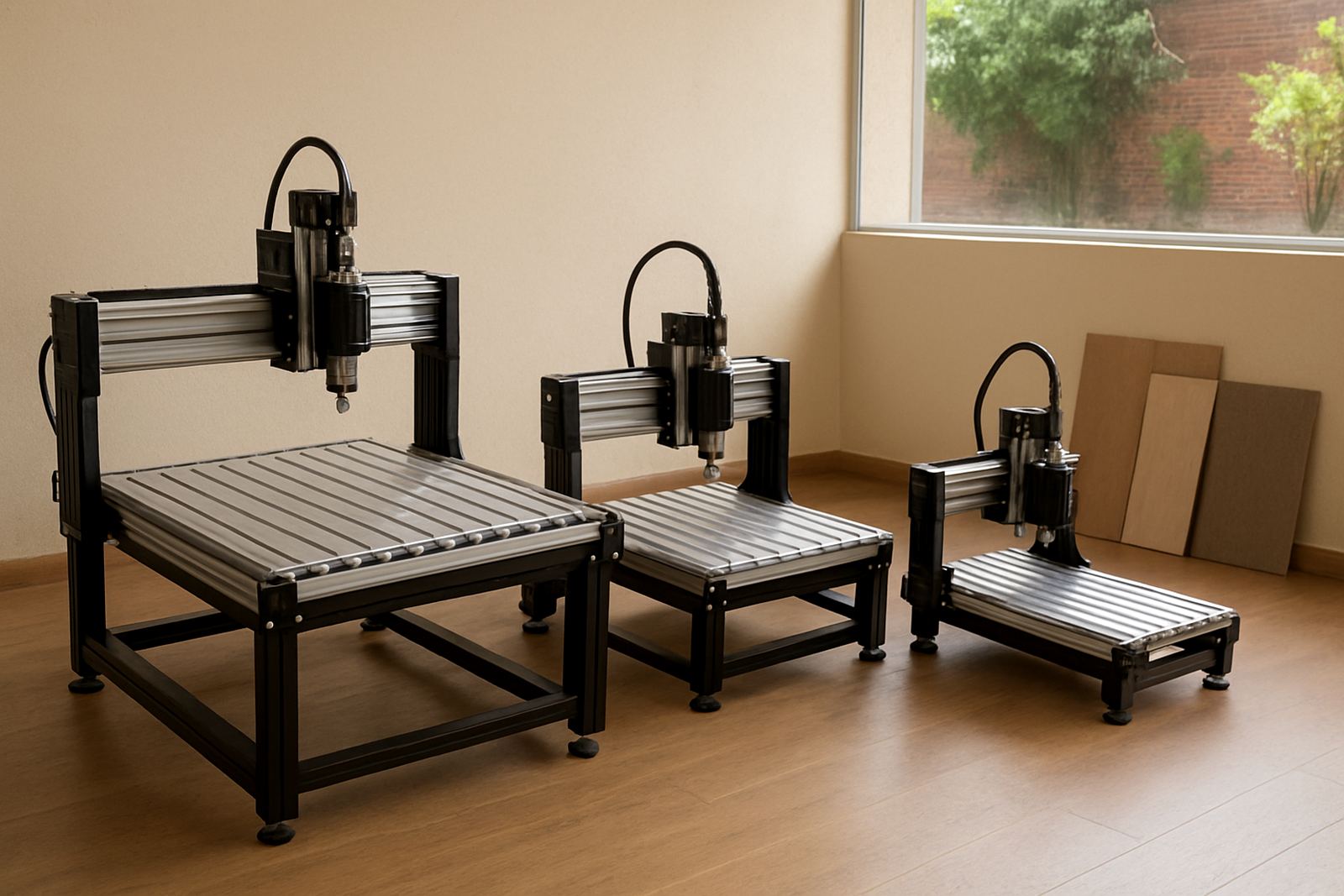
Before you compare machine sizes, write down the first three products you want to make. A startup that plans kitchen components, sign panels or small plastic parts will need different table size, spindle power and holding methods. Keep the focus on your first real jobs, not on the biggest sheet you think you may cut one day.
In Pretoria, Centurion and Midrand we often see new buyers try to overspec the machine and then struggle with repayments. A smaller router that is paid off faster can be the smarter move if it lets you start producing sooner. For hobby side income or a one-person workshop, steady output matters more than a long list of features.
- List your main materials: MDF, solid wood, plywood, perspex or other plastics.
- Note the largest sheet or panel size you expect to handle.
- Estimate daily use in hours, not just monthly volume.
- Check whether you need fine detail, quick profiling or simple repeat cuts.
Choose a table size that fits the room and the job
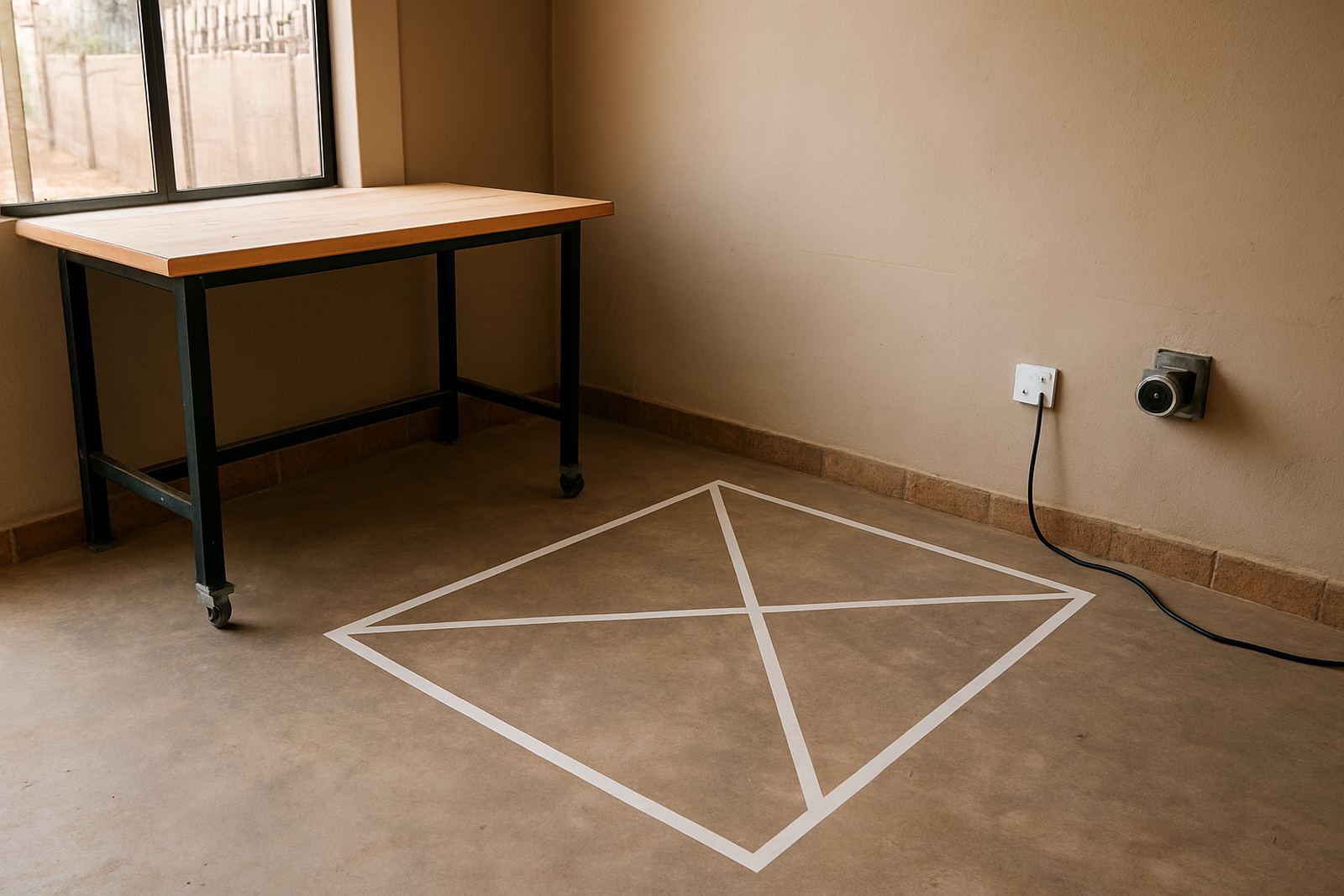
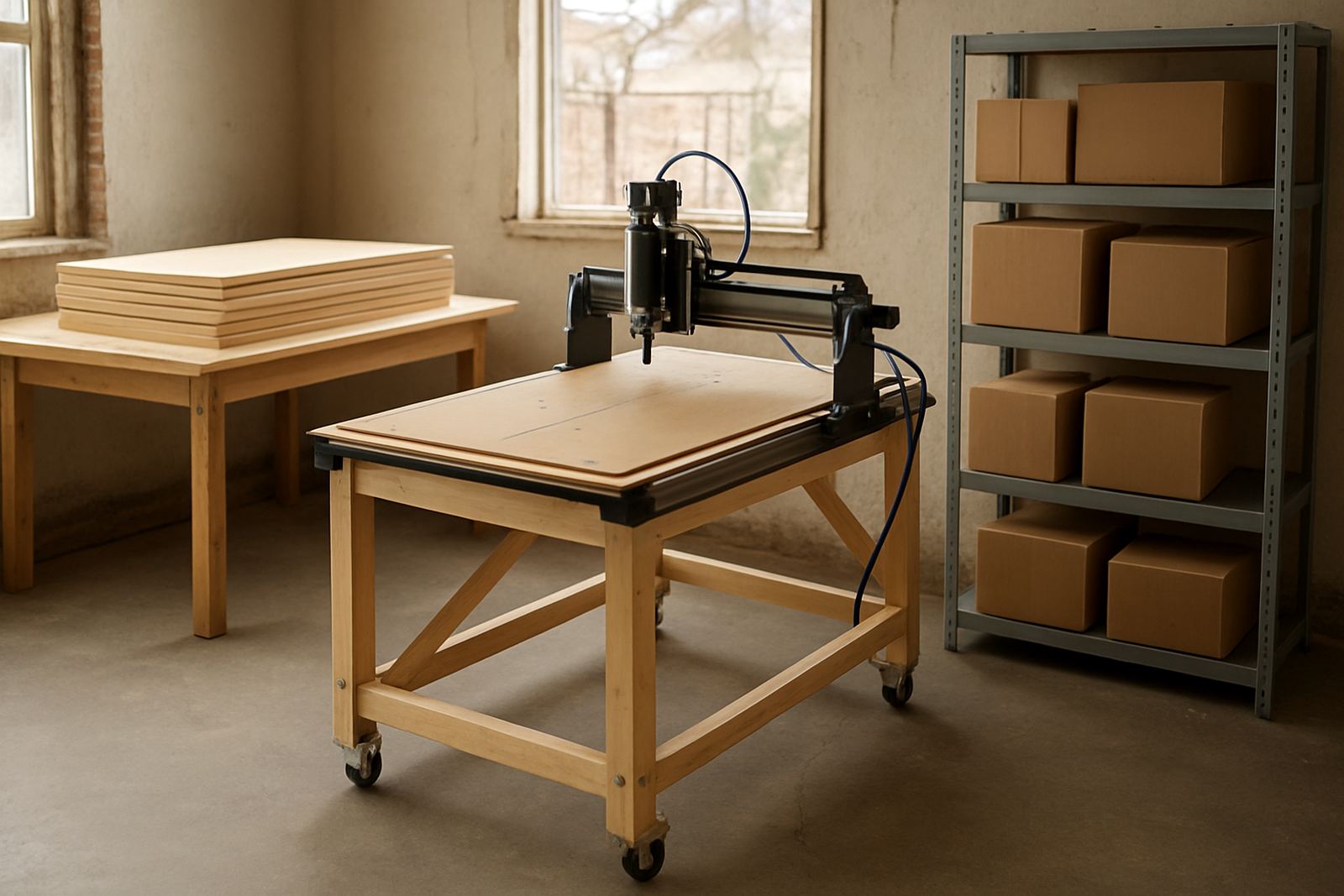
Many startup workshops in Silverton, Pretoria East and Kempton Park work from a small space, so the machine needs to fit around storage, packing and a safe operator path. Measure the room properly and leave space for material infeed, waste removal and a small service area for cleaning and tool changes. A tight layout causes delays and more mistakes.
For smaller workshops, a compact router table can be easier to run, easier to keep clean and cheaper to protect against dust. If you are close to the coast or moving jobs between provinces, think about humidity, transport and how well the machine parts will be protected during storage. Dust extraction and good airflow are not optional in MDF work, they protect both the finish and the operator.
- Measure the full footprint, not only the cutting area.
- Allow for dust extraction, compressor space and storage racks.
- Check floor level and access through doors, ramps or roller shutters.
- Plan for power points where they will not trip staff or damage cables.
Budget for the machine plus the first six months
The machine price is only part of the story. A startup needs tooling, spoil boards, collets, clamps, software basics, dust extraction, backup power planning and a small spares fund. In South Africa, load-shedding can stop a production day at the wrong moment, so a power plan is worth deciding early. Even a basic UPS for the controller or a proper shutdown routine can save a job.
It helps to split spending into three parts: purchase, setup and running costs. That makes the cash flow picture clearer and helps you avoid buying a machine that sits idle because there is no money left for bits, training or repairs. We often advise buyers to keep a small reserve for wear items and one unexpected service call, because that is what keeps the workshop moving.
- Machine price and delivery.
- Training, setup visit and software basics.
- Tooling, cutters, clamps and spare collets.
- Dust extraction, power protection and basic safety gear.
- Spare parts fund for the first six months.
Training is part of the purchase, not an add-on
Many startup problems come from skipped training, not from the machine itself. A good first month should include operator training, software basics and a starter setup visit so the team learns safe loading, tool setting, zeroing, feed rates and simple maintenance. If one person leaves, you should still have another trained operator who can keep the work going.
Our Pretoria base supports buyers across Silverton, Centurion, Midrand and beyond, with training and remote support available nationwide. That helps a startup in a smaller town or a home workshop get practical help without waiting too long. For simple production runs, knowing how to set up the job correctly often saves more time than any extra machine feature.
- Can the operator set zero points without help?
- Can the team change cutters safely and check wear?
- Do they know how to save files and recover a stopped job?
- Can they clean and inspect the machine at the end of each shift?
Plan for spares before the first breakdown
A startup cannot afford long downtime while waiting for a small part. Keep basic spares on hand and plan what must be replaced locally versus what can be ordered. A spindle, control component, belts, limit switches and cutting tools all have different lead times, so it is worth making a spares list before the first order goes out.
If your business is in Pretoria East, Midrand or further out, a fast diagnosis by phone or remote support can save a wasted trip. For more serious faults, breakdown support and control tuning help you get back to work with less guesswork. Regular preventive maintenance is also cheaper than chasing repeated faults after the machine has already lost you a week of output.
- Keep a list of fast-moving wear parts.
- Store spare tools, collets and fixing hardware in labelled containers.
- Record serial numbers and machine settings from day one.
- Book servicing before the machine starts showing errors.
A practical first month checklist for startup buyers
The best first month is simple and structured. Start with the right material, complete a controlled test cut, and only then move to customer jobs. That gives you a clear picture of cutting speed, edge quality and how long each job really takes. It also helps you price work properly instead of guessing and losing margin.
Use this checklist to keep the workshop organised:
- Confirm the machine position, power supply and dust extraction.
- Complete operator training and software basics.
- Run a starter setup visit and test all axes.
- Cut sample parts in each common material.
- Record maintenance dates, tool wear and common settings.
- Set a spares plan for the next three months.
If you are starting from a small workshop in Silverton or a side business at home, the goal is not just to own a router. The goal is to cut clean parts, keep the machine working and grow at a pace that the bank account can handle. A careful start is usually the one that lasts.