
What Control Tuning Covers on Your CNC Router
Control tuning is the service that links your machine settings to the way it actually moves. On smaller workshop routers, a few incorrect values can cause rough corners, lost steps, chatter, or cuts that finish a few tenths out. We check the control parameters, motion response and job setup so the machine tracks cleaner and behaves the way it should for daily work.
This service is suitable for hobby routers, compact table machines and light production units used on plywood, MDF, acrylic and other plastics. If your machine has just been installed, has had new spindles or drivers fitted, or simply feels less accurate than before, tuning can make a clear difference. We also look at the practical side of use in Pretoria, Midrand, Centurion and nearby areas where power interruptions and dusty environments can affect settings and motion over time.
- Axis movement and travel checks
- Acceleration and speed parameters
- Steps per unit and size accuracy
- Direction, homing and limit function checks
- General cutting behaviour under load
What We Check During the Visit
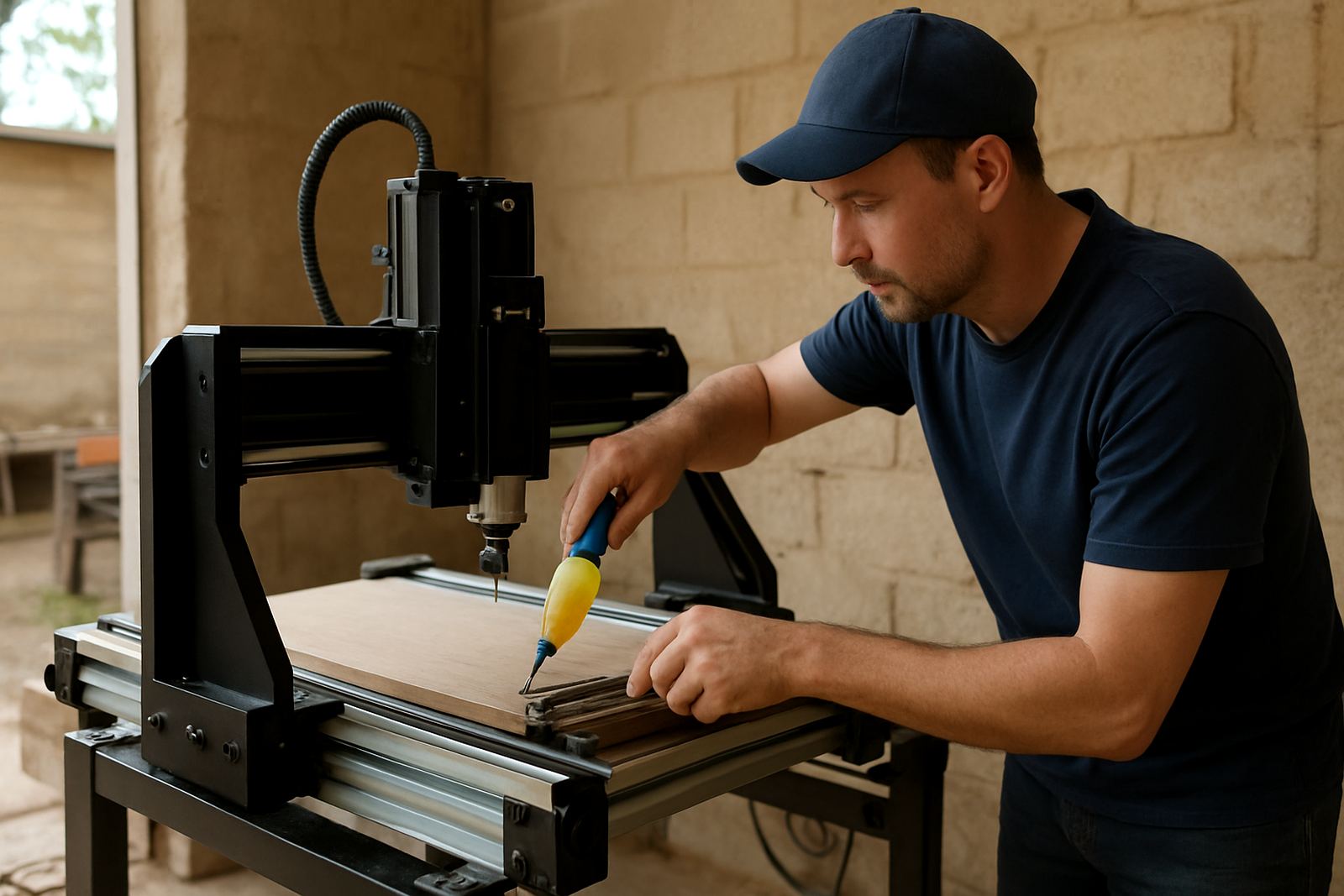
Our technical team starts with a basic condition review before touching the control values. That means checking belts, couplings, rails, cable routing and any visible wear that can affect motion. A control change is only useful if the mechanical side is sound, so we look at both together.
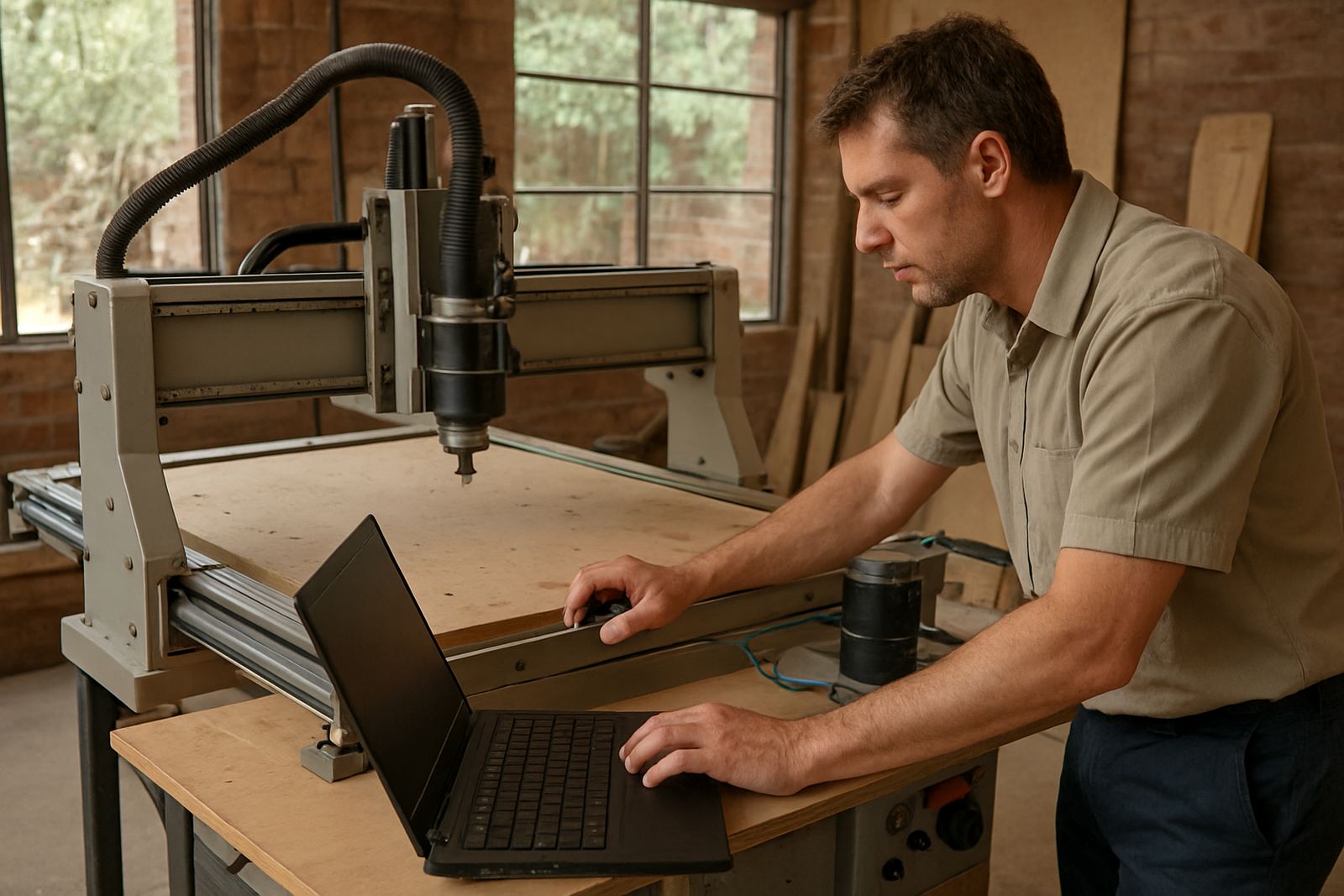
We then test each axis and compare commanded movement with actual movement. If the machine is cutting a 600 mm panel, we want it to travel 600 mm, not 598.5 mm or 603 mm. We also watch for vibration at higher speeds, missed movements on quick direction changes and signs that the spindle or gantry is being pushed too hard for the current settings. In some cases a small parameter change is enough, in others we may recommend basic maintenance first.
- Steps per mm verification
- Axis direction and limit switch checks
- Acceleration and jerk style settings review
- Rapid move behaviour and cornering response
- Cut quality checks on a test programme
How the Tuning Process Works
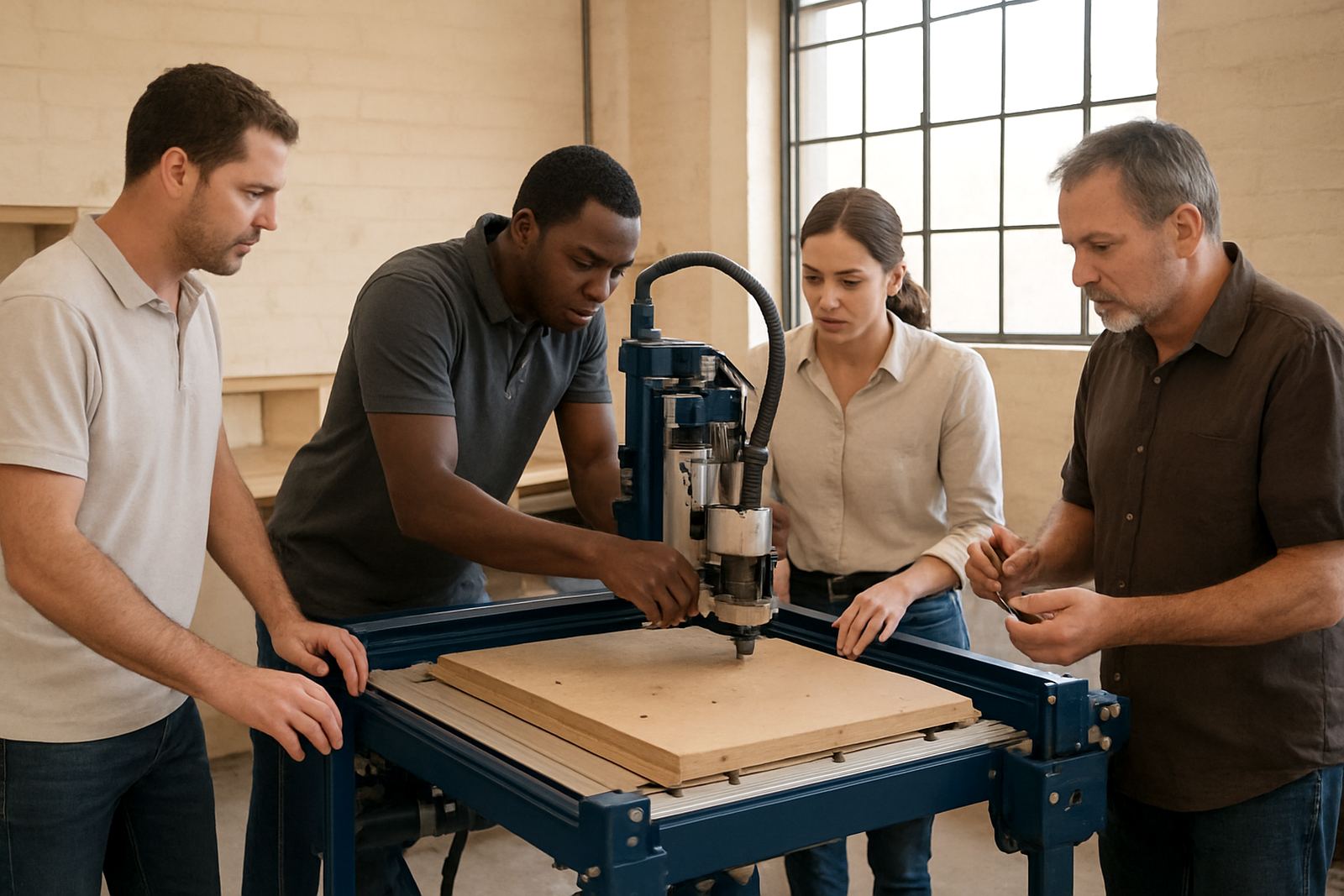
The process is practical and straightforward. First we speak through the symptoms, such as poor sizing, ringing marks, loss of detail or machine hesitation. Then we inspect the machine, confirm the controller type and test movement in a controlled way. Once we understand the issue, we make the necessary adjustments and run a repeat test.
Where possible, we finish with a sample cut so you can see the difference in the material you actually use. For MDF, that usually means looking at edge finish and dimension hold. For plastics, we check for melting, tool load and finish quality. If the machine is being used in a small workshop with shared power points or load-shedding backup equipment, we also talk through stable shutdown and restart habits so the settings remain reliable. A short written summary is provided after the session, including any follow-up items.
- Initial fault discussion and machine assessment
- Parameter review and motion tests
- Adjustments and repeat verification
- Sample cut or test cycle
- Summary of findings and next steps
Turnaround and Support Options
Most control tuning jobs can be completed in a single site visit if the machine is accessible and the issue is mainly setting related. If the machine needs parts, firmware work, or a deeper mechanical repair, we will explain the likely timing before continuing. For clients in Pretoria East, Silverton, Centurion and Kempton Park, same-week bookings are often possible depending on the diary. Nationwide, remote support can help with basic checks before a technician visit is arranged.
We also support users after the visit. If you are still getting fine chatter, size drift or a homing fault a few days later, we can review the issue again and see whether a parameter needs a small correction. That follow-up matters because some routers only show their behaviour once they have run through a full day of work.
- Single-visit tuning where possible
- Remote follow-up for minor setting checks
- Support for hobby and workshop routers
- Nationwide advice where a site visit is not needed immediately
Pricing Approach for Control Tuning
We price control tuning according to the machine condition, travel area and the amount of time required. A clean machine with straightforward parameter corrections will cost less than a unit that needs fault finding, test cuts and extra setup work. That keeps the quote fair and tied to the actual job, not a flat guess.
Before we visit, we ask a few practical questions about machine size, controller type, symptoms and recent changes. If a spindle, driver or limit switch has been replaced, let us know because it may change the time needed. For customers outside Gauteng, pricing can include remote guidance first and then a site call if needed. We keep the approach transparent so you know whether you are paying for a tune only, or tune plus correction work.
- Quoted according to machine condition and travel
- Clear distinction between tuning and repair work
- Remote assessment available before site visit
- Useful for budgeting on repeat maintenance cycles
Maintenance Intervals That Keep the Settings Honest
Even a well tuned router needs checking from time to time. For a hobby machine used a few times a week, a control review every 6 to 12 months is usually enough unless something changes. For a busier workshop, or a unit used on long MDF runs and nesting jobs, a check every 3 to 6 months is more sensible. Machines in dusty spaces or coastal humidity areas may need a closer look because contamination can change how the axes respond.
We recommend a quick inspection after any of the following: belt changes, driver replacement, motor replacement, spindle work, a hard crash, or repeated power cuts. If a machine is stored in Silverton or Pretoria East and moved around the workshop often, the cabling and connectors should also be checked regularly. Small movement changes can creep in over time, and it is cheaper to catch them early than to lose sheets of material to bad sizing.
- 6 to 12 months for light hobby use
- 3 to 6 months for busy workshop use
- Immediate review after major part changes
- More frequent checks in dust heavy or humid environments
Key facts
| Service area | Silverton, Pretoria East, Centurion, Midrand, Kempton Park and nationwide support |
|---|---|
| Machine types | Hobby and small workshop CNC router tables for woodworking, MDF and plastics |
| Typical visit time | Around 1 to 3 hours depending on fault finding and test cuts |
| Common checks | Steps per mm, acceleration, homing, limits, direction and motion response |
| Turnaround | Same week where diary and travel allow, with remote follow-up available |
| Maintenance interval | Every 3 to 12 months depending on usage and workshop conditions |